15-09-2026
Large parts of the Netherlands, including Amsterdam, experienced major rail disruption after pipes and cables were deliberately placed on railway tracks at more than 35 locations, according to infrastructure operator ProRail. The incidents occurred mainly in the central and northern parts of the country on Tuesday morning and caused widespread cancellations and delays. In some locations, further obstructions appeared after the initial materials had been removed.
ProRail said the objects interfered with railway computer systems, which incorrectly indicated that trains were occupying the tracks. This prevented traffic controllers from clearing routes for service. No accidents were reported on Tuesday, although a train struck metal on the track near Steenwijk early on Monday. Because it was travelling below full speed, the incident caused no further damage.
Police have opened a criminal investigation, with the national public prosecutor’s office and intelligence agency AIVD also involved. No suspects or motives had been identified. Routes serving Schiphol Airport, Eindhoven and Utrecht were among those affected, while some level-crossing closures disrupted road traffic as well. ProRail said no new blockages had been reported after 13:00 CEST and that existing incidents had been resolved, although NS continued to report disruption on two lines that evening. The scale of the problem was too great for NS to operate replacement buses.
The disruption took place on Prinsjesdag, when the Dutch government presents its budget. Separately, Farmers Defence Force protests against government plans to reduce nitrogen emissions involved hay bales being set alight along roads. Authorities had not linked the protests to the railway incidents. FDF denied responsibility but said it could not exclude the involvement of individual farmers.
NS interim chief executive Mirjam van Velthuizen said the events demonstrated the railway’s vulnerability and the need for greater investment in contingency planning. The report also notes separate, unconfirmed suspicions of sabotage after a derailment in Normandy, France, although French authorities urged caution while investigating.
Entities: Netherlands, Amsterdam, ProRail, Nederlandse Spoorwegen (NS), Rob Jetten • Tone: urgent • Sentiment: negative • Intent: inform
15-09-2026
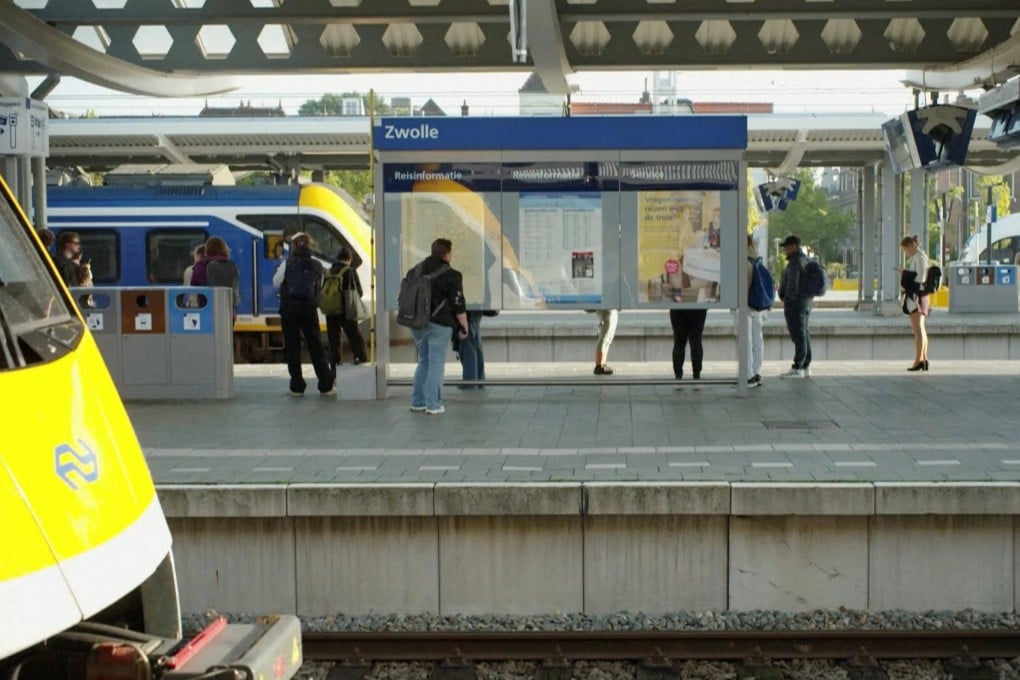
Train services across parts of the Netherlands were severely disrupted during Tuesday morning’s rush hour after materials were deliberately placed on railway tracks at multiple locations. ProRail, the company responsible for maintaining the country’s rail infrastructure, said the incident appeared to be sabotage. The disruption affected services around the central cities of Zwolle, Deventer and Amersfoort, and originated at 13 locations in the central Netherlands.
According to ProRail, the objects caused track-circuit failures. These systems detect whether a train is occupying a section of track; the failures therefore blocked access for other trains and disrupted several level crossings, also affecting road traffic. ProRail workers were removing the materials and attempting to restore safe operating conditions, but the national railway company NS said it was unclear when services could resume.
ProRail did not publicly identify the materials, but a spokesperson told the Dutch newspaper de Volkskrant that pipes had been found attached to the tracks in several places. One train collided with one of the pipes, although the incident did not result in an accident or injuries.
The article also considers whether the disruption could be connected to Prinsjesdag, the day on which the Dutch government presents its annual budget to parliament and the monarch delivers a speech. The event draws thousands of people to The Hague to watch the royal family travel through the city in horse-drawn carriages. However, no link between the suspected sabotage and Prinsjesdag had been established at the time of reporting.
Entities: Netherlands, ProRail, NS (Dutch national railway company), Zwolle, Deventer • Tone: neutral • Sentiment: negative • Intent: inform
15-09-2026
A major disruption struck the Dutch railway network early Tuesday during the morning rush hour, affecting services at 24 locations and disrupting travel for thousands of passengers. The outages were concentrated in the central and eastern Netherlands, particularly around Zwolle, Deventer, and Amersfoort, although some services in the country’s heavily used western regions were also affected. Prorail, the company responsible for maintaining Dutch rail infrastructure, said material had been found at several sites and appeared to have been deliberately placed on the tracks. The company is therefore treating the incident as possible sabotage. Police have opened an investigation, but authorities have not identified suspects, a motive, or anyone claiming responsibility. Prorail employees are removing the material carefully, using gloves and preserving it as potential evidence so investigators can check for fingerprints and other forensic clues. The company is also working to restore train traffic as quickly as possible. National railway operator NS warned travelers that it was not yet clear when services would return to normal. The disruption occurred on the same day the Dutch government was scheduled to present its annual budget to parliament. That event typically attracts thousands of people to The Hague, where crowds gather to watch the royal family travel through the city in horse-drawn carriages. The timing of the rail outage could therefore complicate transportation on an already significant day for the Netherlands. Officials had not provided further details about the suspected sabotage or its broader impact.
Entities: Dutch railway system, Netherlands, Prorail, NS, Joke van der Cruysen • Tone: urgent • Sentiment: negative • Intent: inform
15-09-2026
Rail travel across large parts of the Netherlands was brought to a near standstill on Tuesday after authorities found objects deliberately placed on railway tracks at roughly 30 locations. The disruption affected much of the country’s central and eastern regions, making train transportation virtually impossible in those areas. Dutch authorities suspect the incidents were coordinated acts of sabotage, although the article does not identify any suspected perpetrators or provide details about a possible motive.
The objects were described as tubes or other materials attached to, or placed on, the tracks. Rail operator ProRail confirmed that the materials had been intentionally positioned at multiple locations. The discovery prompted a major interruption to rail services while the affected areas were dealt with and investigated.
The report, published by Agence France-Presse, provides no information about injuries, arrests, damage to trains, or whether the objects caused a derailment or collision. It also does not state how long the disruption was expected to last. The scale and geographic spread of the discoveries, however, led authorities to treat the incidents as potentially coordinated rather than isolated track obstructions.
The article focuses primarily on the immediate consequences for Dutch rail passengers and on ProRail’s confirmation that the materials were deliberately placed. It presents the sabotage theory as a suspicion rather than an established fact, and offers no further official explanation of who may have carried out the alleged attacks or why. The incidents significantly disrupted transport in the Netherlands and triggered an apparent investigation by the authorities.
Entities: The Netherlands, Dutch rail network, ProRail, Agence France-Presse, Dutch authorities • Tone: urgent • Sentiment: negative • Intent: inform