25-10-2026
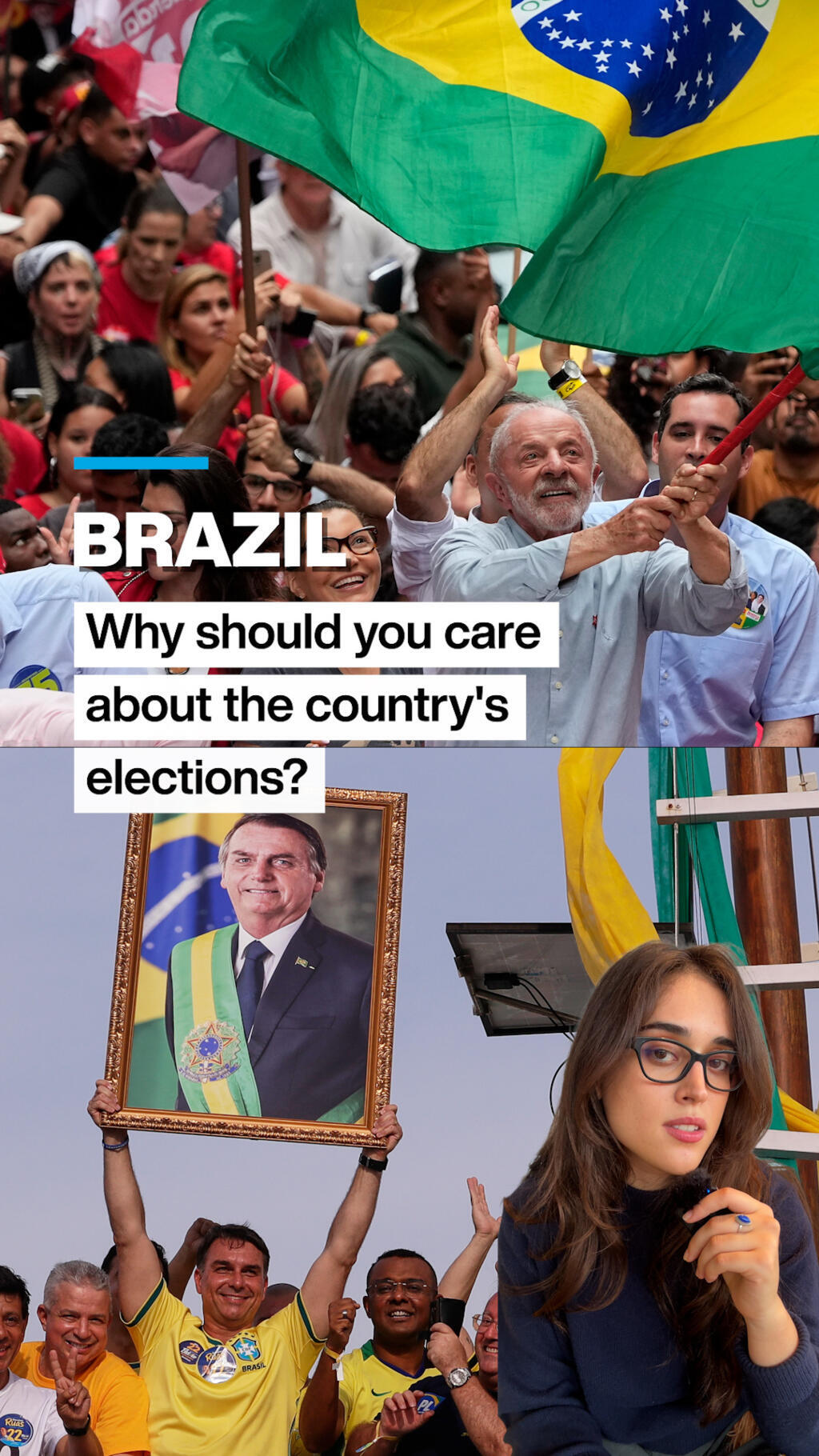
The article examines the Bolsonaro family’s political resurgence in Brazil and the possibility that Flávio Bolsonaro could win the presidency in a runoff against incumbent Luiz Inácio Lula da Silva. Less than a year after former president Jair Bolsonaro was convicted over efforts to overturn the 2022 election and began serving a 27-year sentence, his wife and several relatives won congressional seats. Flávio’s stronger-than-expected first-round performance has put the family’s return to power within reach, amid a broader conservative shift across Latin America.
Jair Bolsonaro’s earlier rise drew support both from voters attracted to his promises of tax cuts, tougher crime policies and less government intervention, and from people seeking an alternative to the Workers’ Party. Although Lula defeated him in 2022, dissatisfaction over crime and the cost of living has sustained opposition to Lula. Flávio has presented himself as a more moderate alternative to his father, despite his own corruption allegations. The electorate remains sharply polarized, and the runoff may be decided by a relatively small share of voters whose first-choice candidates were eliminated.
The story also considers US President Donald Trump’s role in the regional shift. Trump has cultivated ties with the Bolsonaros and promoted a more assertive US role in the Western Hemisphere, while Brazil weighs its relationship with China. Lula’s allies have accused Washington of trying to influence the election, citing suspended US consular services and proposed discussions about electoral integrity; the US denies interference. Lula’s camp has also alleged that Meta’s handling of social-media access favored Bolsonaro supporters. The supplied article text ends while describing that allegation.
Entities: Jair Bolsonaro, Flávio Bolsonaro, Luiz Inácio Lula da Silva, Donald Trump, Deborah Barros Leal Farias • Tone: analytical • Sentiment: neutral • Intent: analyze
25-10-2026
Brazilian voters are preparing to choose between incumbent Luiz Inacio Lula da Silva and Senator Flavio Bolsonaro in a closely contested presidential runoff. Bolsonaro led Lula by more than 2.2 million votes in the first round, receiving 47 percent to Lula’s 45 percent, but neither candidate won an outright majority. The result will determine whether Brazil continues under a leftist government or returns to a far-right direction, and could affect US influence in Latin America.
Lula, 80, is seeking a fourth presidential term. A former union worker, he became popular during his first two presidencies as economic growth and cash-assistance programs helped reduce poverty. His current approval has fallen amid concerns about crime and living costs. In response, he has promised benefits from Brazil’s mineral wealth, increased Bolsa Familia payments, cut fuel taxes, pardoned debts owed by millions of small businesses, and proposed additional welfare and labor measures.
Flavio Bolsonaro, 45, is campaigning on an ultra-conservative platform associated with his father, former president Jair Bolsonaro, who is serving a sentence for attempting a coup. Flavio has emphasized tough security proposals, including large prisons modeled on El Salvador’s, classifying transnational gangs as terrorist organizations, and trying some 16-year-olds as adults. His position on climate change and the Amazon has drawn attention, as deforestation reached record levels under his father’s presidency. His campaign has also been shadowed by an investigation into alleged corruption, money laundering and tax evasion related to millions of dollars he says he accepted from banker Daniel Vorcaro for a film about his father.
Relations with the United States are another issue. Lula has warned against US interference, while President Donald Trump has taken actions favoring Bolsonaro, including tariffs on Brazilian goods and designating major Brazilian drug-trafficking groups as terrorist organizations. Almost 160 million Brazilians are eligible to vote; voting is mandatory, and results from electronic voting machines are expected within hours of polls closing.
Entities: Brazil, Luiz Inacio Lula da Silva, Flavio Bolsonaro, Jair Bolsonaro, Donald Trump • Tone: analytical • Sentiment: neutral • Intent: inform
25-10-2026
A series of polls conducted shortly before Brazil’s runoff election showed Senator Flavio Bolsonaro and incumbent President Luiz Inacio Lula da Silva separated by only a small margin. The article says Bolsonaro remained favored to win after finishing ahead of Lula in the first round, while the latest surveys generally placed the candidates within a few percentage points of one another.
Five polling results are reported. CNT/MDA put Bolsonaro at 46.3% and Lula at 45.0%, based on 2,032 respondents surveyed from October 21 to 23, with a 2.2-point margin of error. Datafolha showed Bolsonaro at 48% and Lula at 47%; it surveyed 4,050 people on October 23 and 24 and reported a two-point margin of error. Quaest’s poll of 3,702 people over the same two days gave Bolsonaro 46% and Lula 45%, also with a two-point margin of error.
AtlasIntel/Bloomberg reported a 49.9% to 48.4% advantage for Bolsonaro, based on 4,990 respondents surveyed from October 18 to 23, with a one-point margin of error. BTG/Nexus found Bolsonaro at 47.0% and Lula at 46.0%, from a survey of 2,000 people conducted on October 23 and 24, with a 2.2-point margin of error. Overall, every listed poll gave Bolsonaro a narrow lead, but the close results and reported margins of error underscore how competitive the runoff appeared. The article presents the polling figures and methodology without endorsing either candidate.
Entities: Flavio Bolsonaro, Luiz Inacio Lula da Silva, Brazil, Sao Paulo, Brazilian runoff vote • Tone: analytical • Sentiment: neutral • Intent: inform