26-09-2026
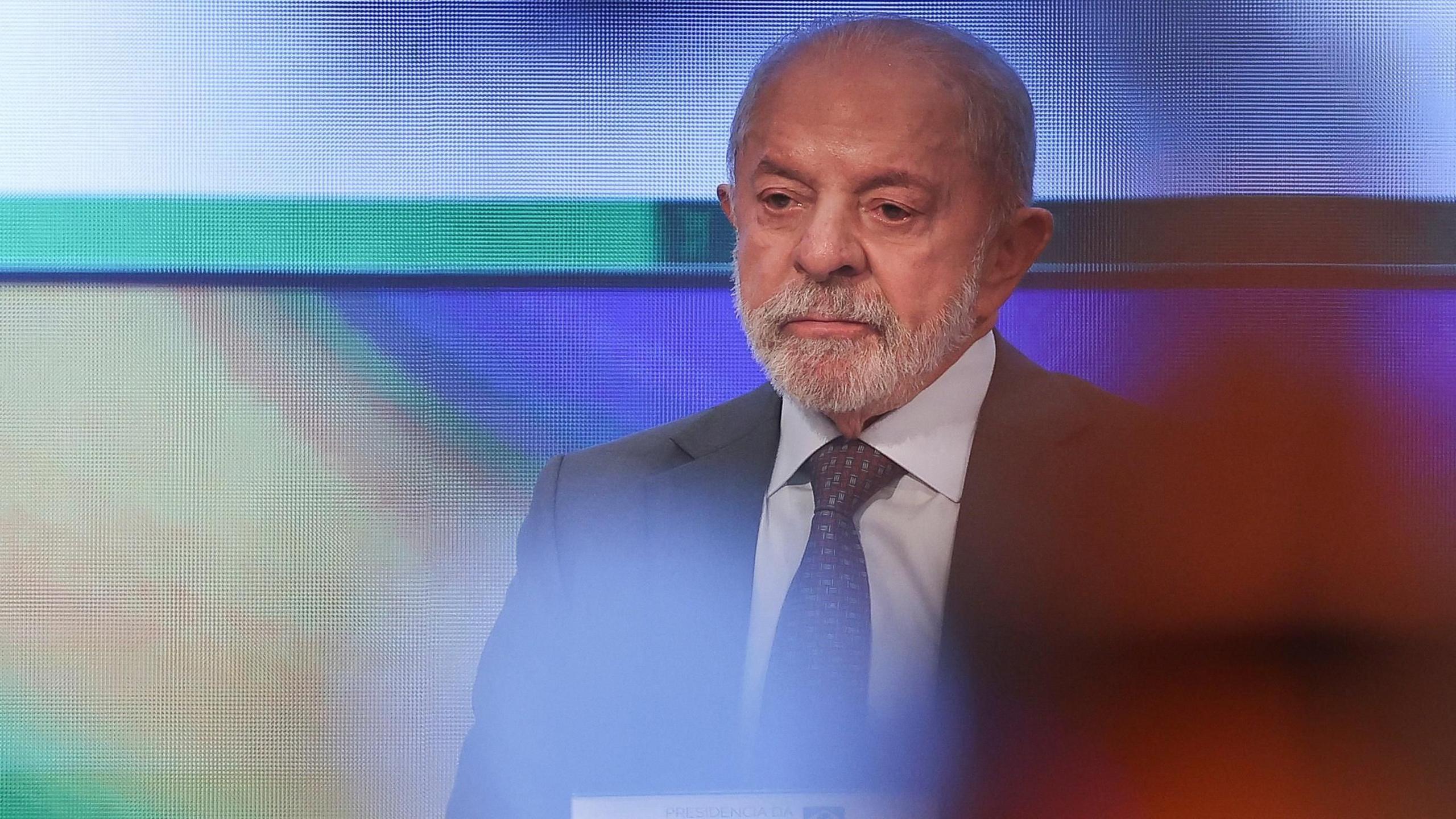
Brazilian President Luiz Inácio Lula da Silva has ordered a ban on sports betting and online casinos, days before the first round of a presidential election in which he is seeking a fourth term. The provisional measure halts new deposits and gives bettors and bookmakers until 5 October to withdraw existing funds. It must be approved by Congress within 120 days to remain in force. Lula also signed a bill creating criminal offences related to fixed-odds betting, a common form of online sports wagering.
Lula says online betting has grown without adequate regulation and has harmed Brazilian families, including people who have lost household possessions to gambling addiction. He called the industry a “cancer” and argued that companies should not profit at the expense of families’ income and lives. A survey published this week found that about 59.9% of Brazilian adults support banning internet betting.
The move has drawn criticism from Flávio Bolsonaro, Lula’s election rival and son of former president Jair Bolsonaro, who called it populist and politically motivated. Brazilian football clubs also warn that a ban could cost them significant sponsorship revenue and push some toward insolvency. The clubs received 1.1 billion reais from betting firms in 2025, according to the article, while the sector’s revenue was 62.5 billion reais.
The Brazilian Institute for Responsible Gaming, which represents much of the country’s betting sector, says a total ban could jeopardize the industry and billions of reais in revenue. It argues that prohibition would not remove demand, but could drive bettors to illicit operators without the protections of a regulated market. The institute called instead for stronger regulation. The article presents the policy as both an election-season intervention and a contested response to concerns about addiction, consumer protection, football financing, and the future of legal betting in Brazil.
Entities: Luiz Inácio Lula da Silva, Flávio Bolsonaro, Jair Bolsonaro, Michel Temer, Brazil • Tone: analytical • Sentiment: neutral • Intent: inform
26-09-2026
France 24 reports that Brazilian President Luiz Inácio Lula da Silva signed an order banning fixed-odds betting on Friday, just over a week before the first round of Brazil’s presidential election. The article presents the measure as a response to what Lula described as a widespread problem: families falling into debt. The timing places the decision in the final stretch before the election, though the report does not provide further details about the order’s implementation, enforcement, or its possible effects on voters and the betting industry.
The article is brief and offers no comment from betting companies, opposition figures, or people affected by gambling-related debt. It also does not explain whether the ban applies to all forms of online betting or only fixed-odds betting. Its central point is therefore limited to the announcement, its timing, and Lula’s stated rationale. The headline refers broadly to online betting, while the body specifies that the order bans fixed-odds betting. Overall, the report frames the order as a policy move intended to address household debt, while noting its proximity to the presidential election.
Entities: Luiz Inácio Lula da Silva, Brazil, Presidential election, First round of the election, Fixed-odds betting • Tone: neutral • Sentiment: neutral • Intent: inform
26-09-2026
Brazilian President Luiz Inacio Lula da Silva is seeking a fourth term in an election where cost-of-living concerns are weakening his campaign. Although Lula points to low unemployment, reduced inequality and easing inflation, many voters say years of rising food prices have left household budgets under pressure. Butcher Kleyton Zacarioto, for example, says customers have dwindled and that people earning the minimum wage have little chance to get ahead; he plans to vote against Lula despite recognizing achievements from the president’s earlier time in office.
Polls show a close contest between Lula and Senator Flavio Bolsonaro, son of former President Jair Bolsonaro. Nearly half of Brazilians surveyed by Quaest said the economy had worsened over the previous year, while only 19% said it had improved. Bolsonaro has emphasized that paychecks buy less and compared supermarket prices with those under his father’s presidency. Lula’s campaign has disputed these claims through a website and an electoral-court complaint.
Analysts describe a disconnect between improving economic indicators and household experience—a “vibecession.” Food prices have recently eased, but remain well above pre-pandemic levels. Meanwhile, household debt payments excluding mortgages reached a record 26.6% of income in June. High interest rates, easy but costly credit, and online betting have further strained family finances. Experts acknowledge progress in employment, poverty reduction and middle-class growth, but say accumulated costs have limited how much improvement people feel.
With the election approaching, Lula announced a 15% increase to a major welfare program and an order banning online betting from October 6. Polls indicate these steps have not yet substantially shifted voter sentiment. Bolsonaro proposes food-cost measures including tax cuts and expanded domestic production, while Lula cites farm output, food stocks and rural credit. At a market in São Paulo, a Bolsonaro supporter predicts a local produce stall will not survive if Lula wins; a visitor from Manaus says neither candidate has offered convincing proposals and expects little to change.
Entities: Luiz Inacio Lula da Silva, Flavio Bolsonaro, Jair Bolsonaro, Kleyton Zacarioto, Brazil • Tone: analytical • Sentiment: negative • Intent: analyze
26-09-2026
Brazilian President Luiz Inácio Lula da Silva has issued an executive order banning fixed-odds sports betting just over a week before the first round of the presidential election. The order immediately halts the operation, promotion, intermediation and advertising of betting, prevents new deposits, and gives users until 5 October to withdraw their funds. It must receive congressional approval within 120 days to remain in force. Lula called the ban a “hard, drastic and necessary measure,” arguing that betting contributes to household debt and addiction. His government is also preparing legislation that would create criminal offences for activities such as promoting betting or using personal data to target potential customers.
Polling cited by the article suggests the ban is widely popular. However, Lula’s main election rival, Flávio Bolsonaro, called it an electoral move. The timing follows years of debate over online betting: Brazil opened the sector to online betting in 2018, and Lula signed a law in 2023 to regulate and tax betting companies. His administration later blocked more than 2,000 websites deemed irregular, including some linked to criminal organizations.
The article describes betting as both a public-health and economic concern. A 2025 study estimated its annual cost to Brazilian society at 38.8bn reais and linked it to increased suicide and depression. The central bank estimated that Brazilians spend about 30bn reais a month on bets. Meanwhile, analysts put annual sports-betting revenue above $4bn, making Brazil one of the world’s largest markets. Football clubs have warned that a ban could end sponsorships and damage Brazilian football, a claim that some social media users mocked.
Entities: Luiz Inácio Lula da Silva, Flávio Bolsonaro, Jair Bolsonaro, Michel Temer, Brazil • Tone: analytical • Sentiment: neutral • Intent: inform