07-11-2026
Italian Foreign Minister and Deputy Prime Minister Antonio Tajani says cybercriminals have published his personal data on the dark web and are seeking additional information about him. In a post on social media, he said the activity had continued for days and exposed him to further threats and intimidation. Tajani also said the hackers were targeting his family and offering payment for more information about him and his loved ones. He stated that he would not be intimidated.
Prime Minister Giorgia Meloni expressed solidarity with Tajani and blamed pro-Russian hackers for the leak. She described efforts to sell confidential information about government officials as a matter of grave concern that requires a determined response.
Tajani said he believed he had been targeted because of Italy’s position on Ukraine, including its support for the freedom, democracy, and independence of a sovereign state. He also suggested the cyberthreats could be connected to the government’s efforts to strengthen the Foreign Ministry’s digital defences.
The article places the incident amid a broader wave of disruptive threats across Europe, including hoax bomb threats that have prompted flight diversions and security alerts at broadcasters, as well as attacks on supermarket refrigeration systems. Tajani did not identify what information had been posted, but indicated that the threat was ongoing. He said the ministry was taking the matter seriously and coordinating its response with allied countries.
Entities: Antonio Tajani, Giorgia Meloni, Italy, Italian Foreign Ministry, Al Jazeera • Tone: neutral • Sentiment: negative • Intent: inform
07-11-2026
Italy’s Foreign Minister Antonio Tajani said personal information about him had been stolen and posted on the dark web, and that cybercriminals were seeking further details about him and his family. In a statement on X, Tajani linked the targeting to the Italian government’s position on Ukraine. He did not specify what information had been published, but indicated that the activity was ongoing. He said he would not be intimidated and would continue protecting Italy’s foreign ministry while strengthening cooperation to improve security.
Prime Minister Giorgia Meloni attributed the breach to “pro-Russian hackers,” describing it as a matter of grave concern that required a determined response. The report places the accusation in the context of a wider series of suspected hybrid attacks in Europe that are thought to be orchestrated by the Kremlin. Those cited include drone incursions and sabotage in NATO territories, attacks on food supplies, threats against media organizations, and bomb threats that have disrupted airline flights across the bloc.
The article reports the claims and broader context but gives no technical details about the breach, identifies no specific hackers, and does not independently establish who carried it out. It also does not specify which personal data was exposed.
Entities: Antonio Tajani, Giorgia Meloni, Italy, Ukraine, Russia • Tone: analytical • Sentiment: negative • Intent: inform
07-11-2026
The article reports two cyberattacks in Italy: one targeting Foreign Minister Antonio Tajani and another affecting BBT SE, the company behind the under-construction Brenner Base Tunnel. Tajani said hackers had shared his personal data on the dark web over several days and were seeking additional information, exposing him and his family to threats and intimidation. He linked the targeting to Italy’s support for Ukraine, arguing that defending the sovereignty and independence of a democratic state had made him a target. Prime Minister Giorgia Meloni expressed support for Tajani and said the sale of confidential information about public officials was deeply concerning and required a determined response.
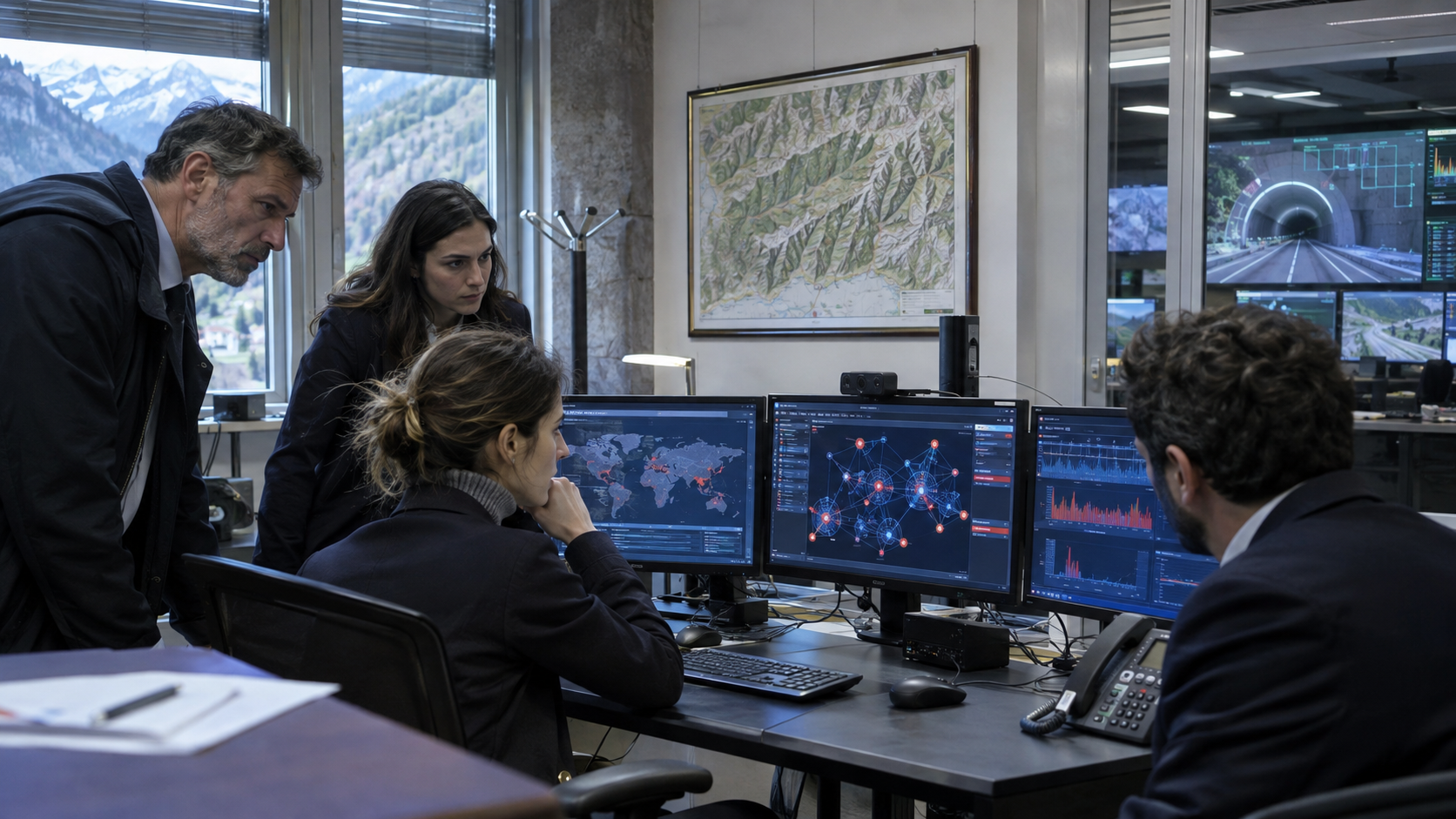
Separately, BBT SE confirmed that it had suffered a cyberattack on 17 October. The company said it activated cybersecurity protocols, isolated affected systems, and brought in external specialists to conduct forensic analysis. The attack reportedly involved the theft of non-public data through access to the company’s internet-connected network. The Brenner Base Tunnel is a 55-kilometre rail link being built between Innsbruck, Austria, and Fortezza, Italy. The Tiroler Tageszeitung, which first reported the attack, said early investigations pointed to Everest, a pro-Russian hacker group. The article presents the incidents as distinct attacks, while noting their timing and the reported political attribution in each case. It provides statements from Tajani, Meloni, and BBT SE, but does not establish who was responsible for the attack on Tajani or confirm the reported attribution of the tunnel-company attack.
Entities: Antonio Tajani, Giorgia Meloni, BBT SE, Tiroler Tageszeitung, Everest hacker group • Tone: analytical • Sentiment: negative • Intent: inform
07-11-2026
Italy’s Foreign Minister Antonio Tajani said on Nov. 7 that pro-Russian hackers had published his personal data on the dark web, an act he linked to Italy’s support for Ukraine. Tajani, who is also deputy prime minister, wrote on X that his transparent backing of the freedom and independence of a sovereign state had made him a target. He said the hackers were seeking more information about him and his family and were prepared to pay for it. He also suggested the activity was a response to the Foreign Ministry’s efforts to strengthen cybersecurity.
Prime Minister Giorgia Meloni expressed support for Tajani. She said the sale of confidential information about public officials was “a matter of serious concern.” Meloni is described as one of the strongest supporters of Ukraine among Western leaders. Moscow had not commented on the incident at the time of the report; Russia has consistently denied involvement in cyberattacks or hacking operations abroad.
Screenshots reviewed by Reuters showed Tajani’s photograph on a list of 18 people labelled “citizens hostile to the Russian Federation.” The list also included cybersecurity experts. The material was found in a section of the dark web accessible through the Tor network, during monitoring activities conducted by cybersecurity authorities, according to a person close to the minister who spoke to Reuters. That source said further investigations were under way. The report does not establish who carried out the alleged hacking or independently attribute the activity to a particular group; the account of pro-Russian involvement comes from Tajani and the reported material. The incident was presented amid wider concerns about cyberattacks connected to the war and support for Ukraine.
Entities: Antonio Tajani, Giorgia Meloni, Italy, Russia, Ukraine • Tone: analytical • Sentiment: neutral • Intent: inform