23-10-2026
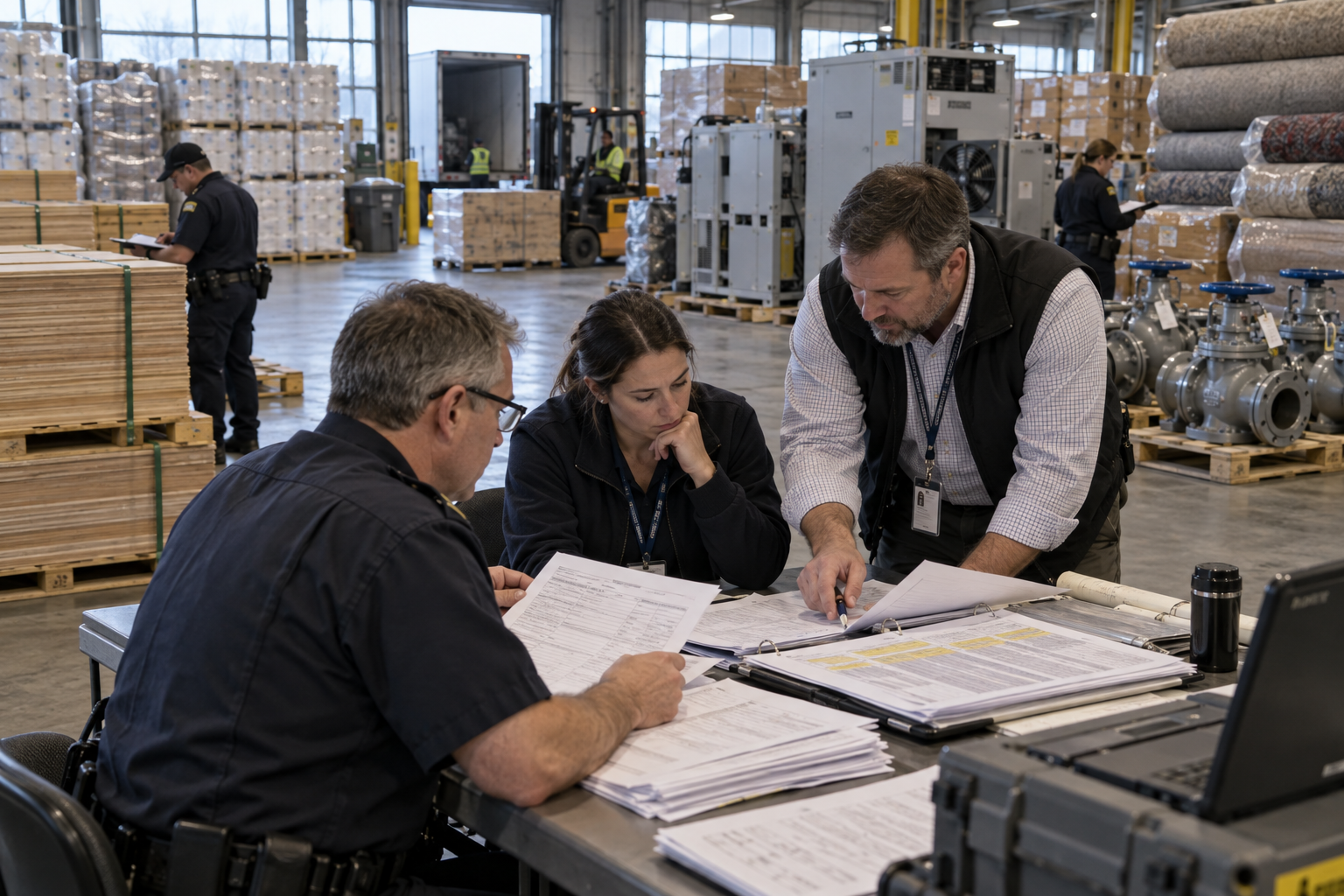
The White House said President Donald Trump would remove some Canadian goods from a list of products subject to 50% tariffs, while adding other products—including certain valves, carpets and waste products—to the list. The changes, made under tariffs imposed using Section 338 of a 96-year-old trade law, take effect Oct. 30, just days before the Nov. 3 U.S. election. The administration said the revisions refine the scope of the tariffs and respond to what it describes as Canada’s discriminatory treatment of U.S. commerce.
The announcement followed Sen. Susan Collins’s claim that she had persuaded the administration to exempt nine categories of Canadian imports important to Maine agriculture and other industries. Her office listed products such as corrugated paper, plastic boxes and packing bags, refrigeration equipment, machinery, seaweed and algae products. Collins said she sought relief because tariffs raise costs for Maine businesses and families, and pledged to keep pushing for further relief and a broader trade agreement with Canada.
However, Collins’s initial announcement did not mention that other Canadian products would be newly subject to tariffs. Her Democratic opponent, Maine logger Troy Jackson, criticized her for supporting the administration and its trade policies, arguing that she should not claim credit for limited exemptions while broader tariffs continue to burden residents and businesses. The dispute is unfolding as voting has begun in a closely watched Senate race where tariffs are a major issue.
The article notes that Maine imports more from Canada than from any other country, making the tariffs particularly consequential for the state. It also says Mexico, not Canada, is the largest U.S. trading partner, according to Census Bureau data.
Entities: Donald Trump, Susan Collins, Troy Jackson, Phoebe Keller, Matthew Middleton • Tone: analytical • Sentiment: negative • Intent: inform
23-10-2026
President Donald Trump has eased some tariffs on Canadian goods, with the changes set to take effect on October 30. The White House said the relief covers products including plywood sheets, some paper products, certain machinery, and refrigeration equipment. At the same time, the administration is adding new levies on other goods, including carpets, certain valves, and waste products. The White House described the decision as an effort to reduce the burden on US commerce while serving the public interest.
The move comes less than two weeks before US midterm elections, as Republican Senator Susan Collins faces a close race against Democratic challenger Troy Jackson in Maine. Collins said she had raised the issue with US Trade Representative Jamieson Greer and Commerce Secretary Howard Lutnick, citing the impact tariffs have had on Maine families, businesses, farmers, and growers. She noted that some farmers depend on Canadian equipment and packaging materials that are unavailable from US suppliers or costly to replace, and said she had requested tariff relief. Collins also called for a broader trade agreement with Canada.
The tariff changes follow months of tension between Washington and Ottawa. After trade talks broke down in August, Trump imposed a 50% tariff on some Canadian goods, and Canadian Prime Minister Mark Carney responded with retaliatory tariffs. On Friday, Trump said Canada was working hard to reach a deal with the United States. The article presents the tariff adjustment alongside the ongoing trade dispute and its political context, without suggesting that the broader conflict has been resolved.
Entities: Donald Trump, Susan Collins, Troy Jackson, Jamieson Greer, Howard Lutnick • Tone: analytical • Sentiment: neutral • Intent: inform
23-10-2026
Canadian Prime Minister Mark Carney rejected US allegations that Canada plans to interfere in the November 3, 2026, US midterm elections, calling the claims without merit. Speaking to reporters during an official visit to Turkey, he criticised the US ambassador’s remarks and said Canada would not intervene in American politics. The dispute follows public criticism from the US embassy and Ambassador Pete Hoekstra, who had urged Canadians to stay out of US political affairs.
The accusations add to already strained relations between the neighbouring countries. Trade negotiations collapsed in August after Canada withdrew, saying US demands were unreasonable. The discussions had included efforts to reduce tariffs imposed by Washington on Canadian imports. Carney said he did not expect President Donald Trump to respond to poor Republican election results by imposing further tariffs, and said Canada was not under pressure to reach a new trade agreement. He indicated Ottawa could wait months or even until a different US administration was in office to secure what it considered a proper deal.
Carney’s Turkey visit is part of a wider effort to reduce Canada’s economic dependence on the United States by diversifying its relationships, even as the two countries maintain deep trade ties. The article also notes Trump’s repeated threats to annex Canada. Rejecting the prospect of Canada becoming part of the United States, Carney affirmed that his government would pursue an independent course, saying Canada would never become the “51st state.”
Entities: Mark Carney, Pete Hoekstra, Donald Trump, Canada, United States • Tone: analytical • Sentiment: neutral • Intent: inform