17-09-2026
Swedish Prime Minister Ulf Kristersson says he will resign after a narrow election victory by a four-party left-wing bloc. The Swedish Election Authority reported that the Social Democrats, Left Party, Greens and Centre Party won 176 of the Riksdag’s 349 seats, giving them a three-seat majority over the four parties supporting the outgoing conservative-led government. Only about 50,000 votes separated the two blocs in a country of 10.6 million people.
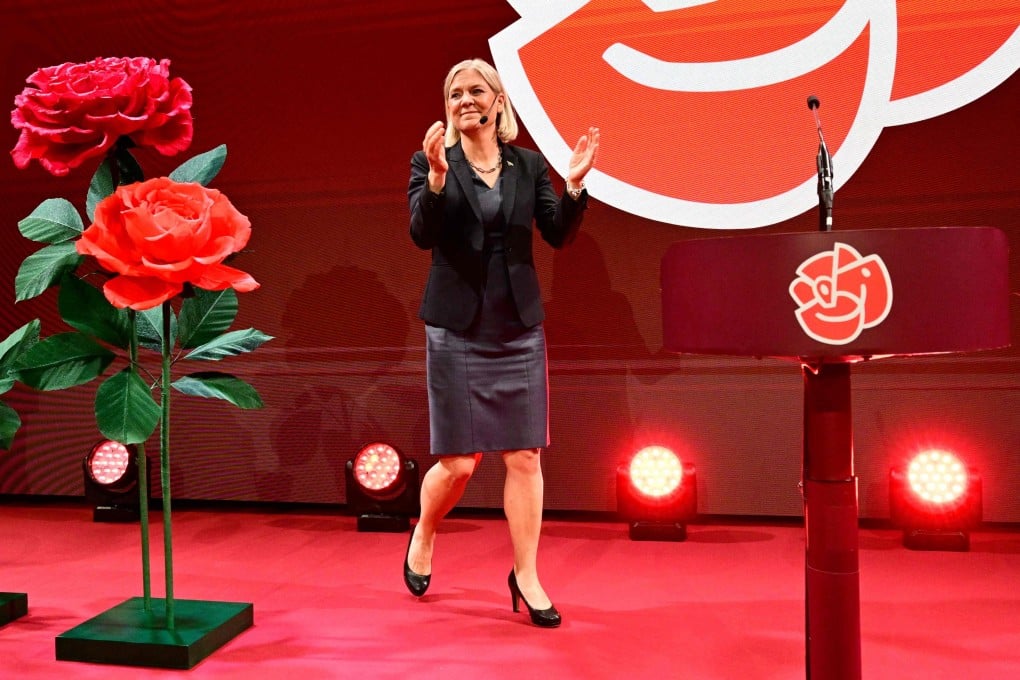
Former Prime Minister Magdalena Andersson’s Social Democrats remained the largest individual party, despite losing some support. The result strengthens Andersson’s prospects of returning to the premiership, which she held briefly in 2021–2022, but forming a government will be difficult because of ideological divisions among her potential partners. The liberal Centre Party has said it will not support a government that gives cabinet positions to the socialist Left Party, while the Left Party insists on receiving a ministerial post. Andersson has ruled out including the Left Party in her cabinet but hopes to secure its parliamentary support.
Kristersson said he would request to be relieved of office so the speaker could begin the process of forming a new government. Parliament could vote on a new prime minister as early as September 29. He said he would respect Andersson’s efforts but wished her “good luck” in overcoming the bloc’s internal divisions.
The election also produced a setback for the anti-immigration Sweden Democrats, which won 17.5 percent of the vote—three percentage points less than in 2022 and its first decline in support since entering parliament in 2010. Spanish Prime Minister Pedro Sanchez celebrated the result as a return to support for social democracy, the welfare state, social justice and environmental policies.
Entities: Sweden, Ulf Kristersson, Magdalena Andersson, Swedish Social Democratic Party, Swedish Election Authority • Tone: neutral • Sentiment: neutral • Intent: inform
17-09-2026
Swedish Prime Minister Ulf Kristersson has resigned after preliminary results showed his centre-left opponents narrowly defeating the governing right-wing bloc in the general election. The two blocs were separated by about 50,000 votes in a country of roughly 10 million people. Opposition parties led by Social Democrat leader Magdalena Andersson are projected to win 176 of the Riksdag’s 349 seats, while Kristersson’s bloc is expected to secure 173. The results still require formal certification, which is expected by the weekend.
Kristersson announced his resignation on X, saying that the Speaker of the Riksdag should immediately begin the process of forming a new government. Under Sweden’s parliamentary system, the speaker consults all parties and proposes a prime minister, who must then receive parliamentary approval. Coalition and minority governments are common because Sweden’s politics are divided between two broad blocs, each made up of four parties.
Andersson said the Swedish people had voted for a new direction. She has begun talks with the Left Party, Centre Party and Green Party about forming a government and is expected to return as prime minister after four years in opposition. However, negotiations may be difficult because the parties disagree on issues including taxation. Previous government formations took 37 days in 2022 and 134 days in 2018.
The election also dealt a setback to the Sweden Democrats, the anti-immigration party that supported Kristersson’s government. Although the party had expected cabinet positions if the right won, it lost three percentage points compared with 2022, its first decline since entering parliament in 2010. Final results will include late-arriving early votes and ballots from abroad.
Entities: Ulf Kristersson, Magdalena Andersson, Sweden, Riksdag, Swedish Election Authority • Tone: analytical • Sentiment: negative • Intent: inform
17-09-2026
Sweden’s center-left opposition bloc was projected to win the country’s parliamentary election by the narrowest of margins, according to public broadcaster SVT, with 99% of votes counted. At the time of the report, the bloc led the right-wing governing coalition by 26,169 votes, while fewer than 1% of ballots remained outstanding. Sweden’s election authority was still counting late-arriving votes, including ballots cast by voters abroad, with the process expected to continue until Thursday.
The center-left bloc is led by Magdalena Andersson and her Social Democrats, the party that dominated Swedish politics for much of the 20th century. If confirmed, the result would end the tenure of Prime Minister Ulf Kristersson’s right-wing coalition and potentially return Andersson’s bloc to government. Election-authority data projected 175 parliamentary seats for the center-left and 174 for Kristersson’s bloc.
Although both Andersson and Kristersson have indicated that they are open to exploring coalition arrangements, forming a government could be difficult. The center-left alliance includes parties with significant ideological differences, particularly the liberal Center Party and the socialist Left Party. These divisions could lead to prolonged negotiations before a governing coalition is established.
SVT said the probability of the right-wing bloc overtaking the opposition was very low, though the official result had not yet been finalized. Sweden’s parliament cannot vote on a new prime minister before September 29. The article notes that government formation took 37 days after the 2022 election and 134 days after the 2018 election, highlighting the possibility of another uncertain coalition-building process.
Entities: Sweden, Magdalena Andersson, Swedish Social Democrats, Ulf Kristersson, Sweden Democrats’ right-wing governing bloc • Tone: analytical • Sentiment: neutral • Intent: inform
17-09-2026
Sweden’s centre-left opposition, led by Magdalena Andersson, is projected to narrowly defeat the incumbent right-wing bloc in the country’s Sunday election. With nearly all votes counted, the centre-left is ahead by just one seat, producing an extremely close parliamentary result. The article describes the outcome as a narrow win rather than a decisive mandate, suggesting that forming a government could be difficult.
The result is expected to lead to challenging coalition negotiations. Because the margin between the two blocs is so small, Andersson’s centre-left camp may need to secure support from other parties in order to form a governing majority and pass legislation. The article does not specify which parties might participate in a coalition or provide detailed vote totals, but it emphasizes the political uncertainty created by the one-seat advantage.
Sweden’s parliament is scheduled to begin the government formation process on September 28. Until then, negotiations are likely to determine whether Andersson can assemble a viable governing coalition or obtain sufficient parliamentary backing through another arrangement. The incumbent right-wing bloc’s narrow defeat also means that the election has not produced a clear-cut political realignment; instead, it has left Sweden facing a potentially prolonged period of bargaining between parties.
The report, issued on September 17, 2026, presents the election outcome in concise, factual terms. Its central focus is the centre-left’s marginal lead, Andersson’s potential return to government, and the institutional process that will follow the vote.
Entities: Sweden, Magdalena Andersson, Swedish parliamentary election, Centre-left opposition, Incumbent right-wing bloc • Tone: analytical • Sentiment: neutral • Intent: inform
17-09-2026
Sweden’s left-leaning opposition secured a narrow majority in the country’s national election, according to the final vote count released Thursday. The four opposition parties won 176 of the 349 seats in the Riksdag, Sweden’s parliament, while the four parties supporting the outgoing conservative-led government captured 173 seats. The result ended Prime Minister Ulf Kristersson’s tenure in office, prompting him to announce his resignation.
The Social Democrats, led by former Prime Minister Magdalena Andersson, remained the largest individual party despite losing some support. The result strengthens Andersson’s prospects of returning to the premiership, which she lost in 2022. However, forming a government is expected to be difficult because of divisions and tensions among the parties in the left-leaning bloc. The opposition’s majority was initially uncertain, but it was confirmed after late-arriving ballots—including overseas votes and other ballots not delivered by election day—were counted.
Kristersson had governed through a three-party centre-right coalition whose parliamentary majority depended on support from the Sweden Democrats, an anti-immigration party with far-right roots that has moved closer to the political mainstream. Before the election, Kristersson had suggested that the Sweden Democrats could receive cabinet positions if the governing bloc retained power. With the opposition now holding only a three-seat advantage, negotiations over a governing coalition are likely to be complex. The election therefore produces a clear parliamentary shift but does not guarantee a straightforward transition to a new government.
Entities: Sweden, Swedish national election, Swedish Election Authority, Riksdag, Magdalena Andersson • Tone: analytical • Sentiment: neutral • Intent: inform
17-09-2026
Swedish Prime Minister Ulf Kristersson has announced his resignation after a general election gave a narrow parliamentary majority to a left-wing opposition bloc led by Magdalena Andersson’s Social Democrats. Kristersson submitted his resignation to the speaker of parliament, saying the move would allow the process of forming a new government to begin immediately.
The four parties in Andersson’s bloc secured a three-seat majority in Sweden’s 349-member parliament. The result was extremely close, however, with only about 50,000 votes separating the left-wing bloc from Kristersson’s right-wing alliance. Kristersson’s coalition includes the anti-immigration Sweden Democrats.
Although the left-wing parties have won enough seats to control a majority, they are divided by ideological differences. Those divisions are expected to make negotiations over a governing coalition difficult and potentially protracted. The article describes the task of forming a new administration as “laborious,” suggesting that the election result does not guarantee a stable or unified government.
Kristersson’s resignation transfers responsibility for the next stage of the political process to the speaker of parliament, who must oversee efforts to identify and approve a new prime minister. The outcome represents a setback for the conservative government and a potential return to power for Andersson’s Social Democrats, but the narrow margin and internal disagreements within the winning bloc leave the shape and durability of Sweden’s next government uncertain.
Entities: Sweden, Ulf Kristersson, Magdalena Andersson, Social Democrats, Sweden Democrats • Tone: neutral • Sentiment: neutral • Intent: inform
17-09-2026
Swedish Prime Minister Ulf Kristersson said he would resign after the centre-left opposition won a majority in the country’s parliamentary election. The final count gave opposition parties 176 of the Riksdag’s 349 seats, compared with 173 seats for Kristersson’s centre-right ruling bloc. In a letter posted on X, Kristersson asked to be relieved of office so the parliamentary speaker could begin the process of forming a new government.
The result creates an opportunity for Magdalena Andersson, leader of the Social Democratic Party and Sweden’s first woman prime minister, to return to power after four years in opposition. However, the centre-left’s electoral victory may not immediately translate into a governing coalition. The Centre Party has said it will not join a coalition that includes the Left Party, while the Green Party is also a potential partner. The Social Democrats have reportedly invited other opposition parties to talks.
The election was contested between a fragmented centre-left and a centre-right bloc led by Kristersson’s Moderates. Kristersson had planned to include the Sweden Democrats in a governing coalition and continue policies focused on restricting immigration and combating crime. Although the Sweden Democrats had supported the government, their share of the vote fell for the first time since they entered parliament in 2010, helping the opposition secure victory.
The result contrasts with broader trends in Europe, where far-right parties have generally been gaining influence. Although all votes have been counted, the result remains subject to formal certification. The centre-left now faces negotiations and potential internal divisions before a new government can be formed.
Entities: Ulf Kristersson, Magdalena Andersson, Ebba Busch, Sweden, Stockholm • Tone: analytical • Sentiment: neutral • Intent: inform
17-09-2026
Sweden’s centre-left opposition bloc has narrowly won the country’s general election, securing 176 parliamentary seats compared with 173 for the governing right-wing bloc. The result clears the way for Social Democratic Party leader Magdalena Andersson to return as prime minister after four years in opposition. The final ballot count was announced by Sweden’s election authority on September 17, while outgoing Prime Minister Ulf Kristersson had not yet publicly commented on the result.
Migration was the dominant issue in the campaign. Voters opposed to the outgoing government’s restrictive immigration policies rallied behind the left-wing parties. Those policies included incentives and penalties intended to pressure migrants to adopt Swedish cultural norms or leave the country. Kristersson had also increased the political stakes by promising ministerial positions to the Sweden Democrats, a hard-right party that had supported his government.
Despite its victory, Andersson’s coalition faces significant internal disagreements. The Social Democratic leader supports a more restrictive migration policy than some of her left-wing partners. The coalition is also divided over a proposed billionaire tax, the construction of new nuclear reactors and broader economic priorities. Its budget proposals could struggle to win parliamentary backing because the Left Party, formerly Sweden’s Communist Party, and the economically liberal Centre Party have conflicting views on fiscal policy.
The governing bloc had trailed in opinion polls for much of its four-year term but narrowed the gap during the final weeks of the campaign. The close result leaves Andersson with a narrow mandate and the difficult task of managing policy differences among the parties that brought her back to power.
Entities: Sweden, Magdalena Andersson, Swedish Social Democratic Party, Sweden’s centre-left bloc, Sweden’s right-wing bloc • Tone: analytical • Sentiment: neutral • Intent: inform