28-10-2026
Britain’s King Charles III addressed a youth gathering at Clifford Park in Nassau on Tuesday, reflecting on the Bahamas’ history and future. He recalled visiting the same location in 1973, when he represented his mother, Queen Elizabeth II, at celebrations marking the country’s independence. Charles said he was pleased to return and praised the range of talent produced by the islands, mentioning athletes, sailors, climate scientists and performing artists.
The king also recognized the “great suffering and injustices of the past” in the Bahamas and elsewhere. He said those histories should be acknowledged as people work to create new opportunities for the future. His remarks connected that historical reflection with the challenges facing the country today, particularly climate change. Charles pointed out that 90% of the island nation’s land lies below two meters, underscoring its vulnerability to rising sea levels and other climate impacts.
Addressing the young people present, Charles urged them to help build “truly sustainable futures.” He described his own efforts over more than 50 years to support young people across the Commonwealth, with the aim of helping them innovate, prosper and thrive in harmony with nature. The speech therefore combined praise for Bahamian cultural and professional achievements with recognition of past injustice and concern about environmental risk. Its central appeal was for young people to contribute to a sustainable future while drawing on the country’s capabilities and acknowledging its history.
Entities: King Charles III, Queen Elizabeth II, The Bahamas, Nassau, Clifford Park • Tone: neutral • Sentiment: neutral • Intent: inform
28-10-2026
King Charles III’s nine-day Caribbean tour has renewed debate about the British monarchy’s historical role in slavery and calls for the United Kingdom to acknowledge and address its legacy. Speaking at an event in the Bahamas, Charles described the country’s culture as “born out of darkness” and said it was right to recognize historic injustices. Campaigners and scholars say recognition should be accompanied by an apology and practical reparative measures, including investment in education and health systems, to address harms that continue across generations.
Historian Diana Paton says people in the Caribbean emphasize recognition of the damage inflicted on their ancestors, its continuing emotional effects, and its economic consequences. Brooke Newman, a historian at Virginia Commonwealth University, argues that the monarch leads an institution that participated in, expanded, profited from, and defended the transatlantic slave trade. She says the UK government has made clear it is not interested in apologizing or discussing reparations, regardless of which major party is in power. Some advocates also want Charles to use the tour to foster public discussion and meaningful dialogue with descendants of enslaved people.
The article distinguishes the monarch’s symbolic position from the government’s authority to make reparations decisions. Craig Prescott, an expert in UK constitutional law, says payments would require public funds and accountability to Parliament, making them a matter for the government rather than the king. He describes the government’s longstanding position as acknowledging slavery as a stain on British history while rejecting the payment of reparations. Charles is due to attend the Commonwealth Heads of Government Meeting the following week and meet leaders from the organization’s 56 member states.
Entities: King Charles III, Caribbean, Bahamas, British monarchy, United Kingdom • Tone: analytical • Sentiment: neutral • Intent: inform
28-10-2026
King Charles III began a nine-day Caribbean tour in the Bahamas by acknowledging the “great suffering of the past” and saying it was right to recognize historic injustices. His remarks came amid renewed calls from Caribbean nations for Britain to apologize for its role in the slave trade and provide reparations. Buckingham Palace has said the King will address the colonial legacy and the trade’s impact, but he will not apologize or offer reparations, in line with the UK government’s position. The tour is his first in the region as monarch and will include visits to the Bahamas, Guyana, and Antigua and Barbuda, culminating in the Commonwealth Heads of Government Meeting (CHOGM). Leaders are expected to discuss the region’s legacy of slavery.
Entities: King Charles III, Queen Camilla, Bahamas, Nassau, Guyana • Tone: analytical • Sentiment: neutral • Intent: inform
28-10-2026
King Charles III began a nine-day tour of the Bahamas, Guyana, and Antigua and Barbuda amid growing calls for Britain to apologize for slavery and provide reparations. At a youth rally in the Bahamas, he acknowledged the “great suffering and injustices of the past,” while also celebrating the country’s present achievements and future opportunities. The king, who is receiving treatment for an undisclosed form of cancer, will later attend a Commonwealth heads of government summit in Antigua and Barbuda with Queen Camilla.
The question of reparations is expected to feature at the summit. Several former British colonies are pressing for action, and Jamaica recently filed a petition in a London appeals court to advance its reparations campaign. Guyana’s President Irfaan Ali described Charles’s recognition of slavery’s “darkest days” as a first step, saying an apology should follow. Commonwealth Secretary-General Shirley Ayorkor Botchwey said it would not hurt for the king to apologize and that discussions of reparations—financial or otherwise—were timely. No modern British monarch has formally apologized, while the UK government has resisted financial compensation.
The tour also emphasizes climate change and resilience. Charles highlighted the danger to low-lying islands, noting that 90 percent of the Bahamas’ land lies below two metres. He is scheduled to meet groups working on coral restoration in Antigua and Barbuda and rainforest conservation in Guyana. Botchwey stressed that many climate-affected countries are not major polluters yet bear severe consequences. The Commonwealth summit, she said, will address climate resilience as well as trade and investment among its 56 members. The article presents the tour as a diplomatic balancing act between historical accountability and forward-looking cooperation.
Entities: King Charles III, Queen Camilla, Irfaan Ali, Shirley Ayorkor Botchwey, The Bahamas • Tone: analytical • Sentiment: neutral • Intent: inform
28-10-2026
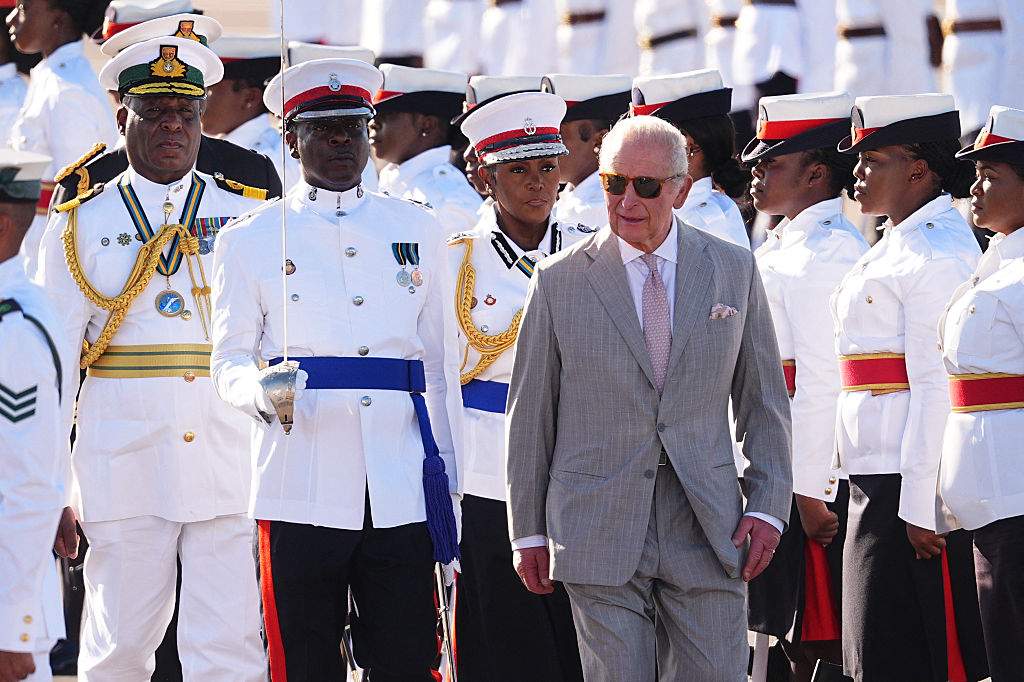
King Charles III arrived in the Bahamas on October 27, 2026, for the first official visit there of his reign, as campaigners called for an apology and reparations for slavery and colonialism. The visit is part of a Caribbean tour lasting more than a week. New Providence public schools were closed to welcome him, and Bahamian police and defence personnel took part in the reception. Charles met Governor General Dame Cynthia A. Pratt and Prime Minister Philip Davis, and visited Clifford Park, where he had appeared in 1973 as Prince of Wales during the Bahamas’ independence from Britain.
Members of the Rastafarian community and other protesters gathered near the park, demanding reparations and drawing attention to atrocities committed against Black people. In public remarks, Charles acknowledged Britain’s dark historical ties to the region and said the country’s past included suffering and injustice, while also recognizing the achievements and culture of the present-day Bahamas. The article notes that Jamaica has also sought reparations and that its case has been referred to the U.K.’s highest court of appeal. The British government has repeatedly rejected calls for an apology or compensation relating to the slave trade.
The King’s schedule also includes meetings with government officials, civil society leaders and the Bahamian defence forces, as well as a visit to a nature site. Discussions are expected to address environmental challenges, including a proposed sea wall. Charles highlighted the Bahamas’ vulnerability to climate change, noting that 90 per cent of its land lies below two metres. The supplied article ends mid-sentence during his climate remarks.
Entities: King Charles III, Rachel Goodman, The Bahamas, New Providence, Clifford Park • Tone: analytical • Sentiment: neutral • Intent: inform
28-10-2026
King Charles has confirmed that the legacy of slavery will be discussed at next week’s Commonwealth heads of government meeting in Antigua, during his nine-day Caribbean tour. In the Bahamas, where he began the tour, the king acknowledged the suffering caused by slavery and said some aspects of Bahamian culture emerged from a painful past. His remarks drew criticism from reparations advocates, who said they did not address the monarchy’s responsibility or meet demands for a formal apology and practical steps toward reparatory justice.
The visit comes amid growing pressure from Caribbean leaders and a poll indicating support in Britain for dialogue on reparations. A survey by More in Common, published by the Repair Campaign, found that 40% of Britons supported a meeting on reparatory justice, while support was higher among younger respondents: 60% of people aged 18–24 and 51% of those aged 25–34. A majority of Labour and Liberal Democrat voters also backed a meeting.
Former St Vincent and the Grenadines prime minister Ralph Gonsalves urged the king to apologise and help establish a structured dialogue. The Bahamas National Reparations Committee said the king’s words were insufficient, arguing that Bahamian culture reflects agency and resilience rather than simply being born from darkness. Its chair, Niambi Hall Campbell-Dean, described the speech as hollow platitudes. Caribbean Community Reparations Commission chair Hilary Beckles called for remorse and said the king should address the continuing harm of slavery.
The article notes that King Charles acts on ministerial guidance and that the UK government has not advised him to offer an apology or reparations, in keeping with established policy. Buckingham Palace said the tour would focus mainly on contemporary partnerships and future opportunities, while also reflecting the king’s longstanding engagement with the history of slavery. The Repair Campaign called for a timetable for talks, saying previous expressions of regret and promises of dialogue had not led to meaningful progress.
Entities: King Charles III, Commonwealth heads of government meeting (Chogm), Bahamas, Antigua and Barbuda, Guyana • Tone: analytical • Sentiment: neutral • Intent: inform