02-09-2026
Iran has accused the United States of bombing a house during a wedding celebration in Kuhestak, in the southern county of Sirik, killing at least five people, including a child. Iranian officials said the attack occurred early Wednesday as the United States launched a new wave of strikes against targets it described as Iranian military facilities. Iran’s Foreign Ministry spokesman Esmaeil Baghaei called the alleged attack “brutal” and said more than 50 people were killed or wounded. Other Iranian officials gave a higher figure, with Sirik County Governor Reza Shahidiyan reporting 63 wounded, most of them women and children. The wounded were transported to a hospital in Minab, where they were reportedly in stable condition.
Iranian state-linked media published footage and photographs showing extensive damage to a building, debris, and children being treated in a hospital. A child survivor described hearing fighter jets before an intense explosion struck the wedding venue, injuring people with bricks, stones, and cement. Iranian officials emphasized that the victims were civilians.
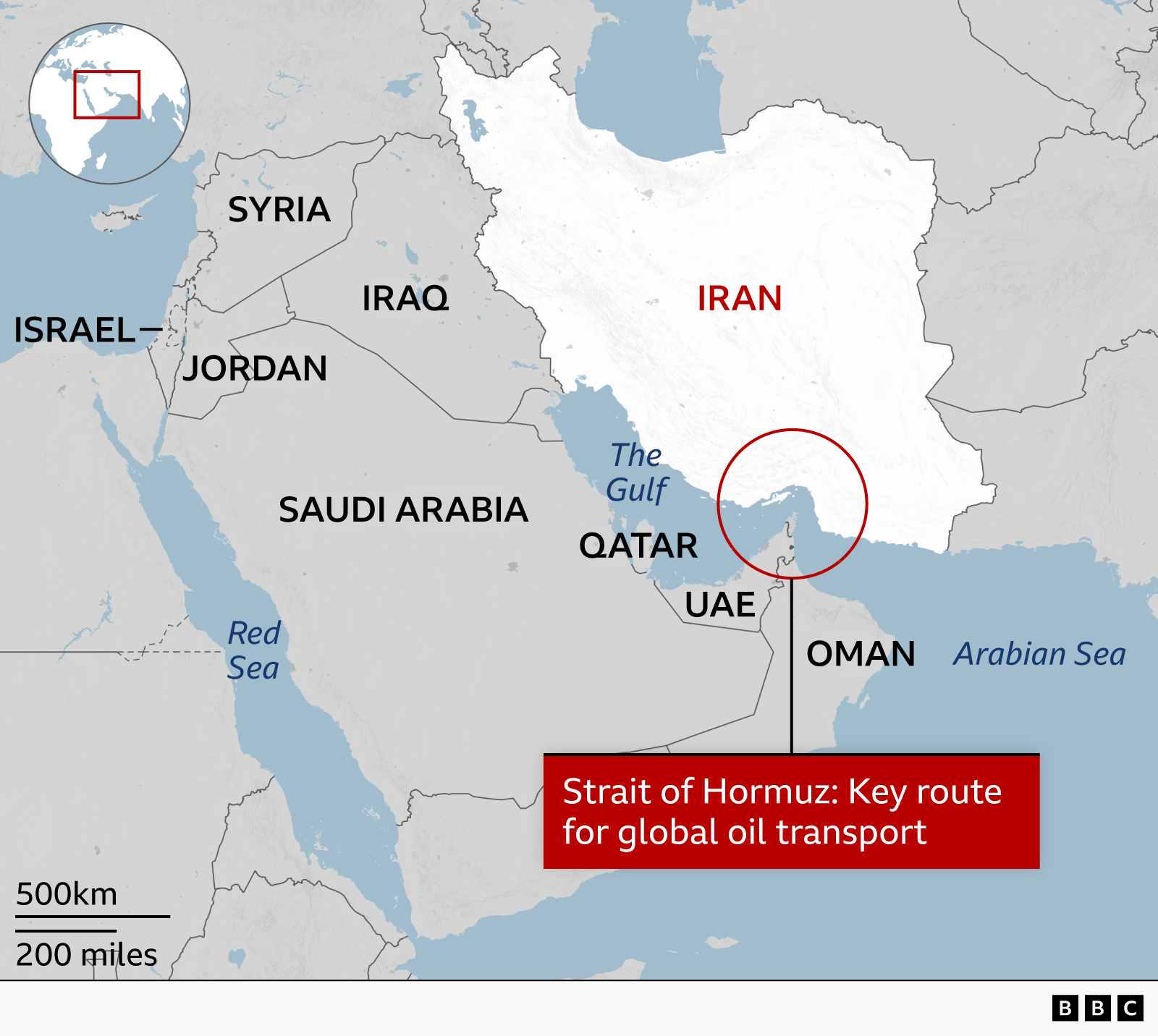
The reports emerged as the US military said it had attacked Iranian air-defense sites, radar systems, maritime assets, communications facilities, and mine-laying capabilities. Washington said the strikes followed attempted attacks by Iran’s Islamic Revolutionary Guard Corps against commercial shipping in the Strait of Hormuz. The confrontation follows an exchange of fire and an ongoing standoff over the strategic waterway, which Iran has reportedly blockaded since the beginning of the US-Israel war against Iran on February 28.
Iran said it retaliated by targeting US bases and assets in Jordan, Bahrain, and Iraq, while Kuwait reported intercepting drones and missiles. Baghaei urged international action and linked the alleged wedding attack to earlier reported strikes on an elementary school in Minab and a sports hall in Lamerd. Iran’s Tasnim news agency also reported explosions in several other coastal locations and on Qeshm Island.
Entities: Iran, United States, Kuhestak, Sirik County, Minab • Tone: urgent • Sentiment: negative • Intent: inform
02-09-2026
The supplied material does not contain the body of the Al Jazeera live article. It includes only the headline, URL, and several advertising or promotional notices. The headline presents a developing Iran-related war story and indicates that Tehran claimed to have attacked United States bases in Bahrain, Jordan, and Iraq. It also frames the story in connection with Donald Trump and ongoing military escalation involving Iran and regional countries. Because no liveblog updates, official statements, casualty figures, timelines, government responses, or independent verification are included in the provided text, the headline’s claims cannot be assessed or expanded upon reliably. The available content therefore supports only a limited description of the article’s apparent subject: alleged Iranian retaliation against US facilities or interests in neighboring countries following US military action against Iran. The wording “claims attacks” appropriately signals that the allegation is attributed to Tehran rather than presented as independently confirmed fact. The supplied body is otherwise made up of website clutter, including “Advertisement,” an update counter, and a prompt asking readers to enable personalized alerts. Those elements do not provide substantive news information. A complete summary would require the full text of the liveblog or access to the article’s individual updates. No additional factual details should be inferred from the headline alone.
Entities: Iran, Tehran, United States, US military bases, Bahrain • Tone: urgent • Sentiment: negative • Intent: inform
02-09-2026
The article is a brief Al Jazeera video report about reported US strikes near Sirik, a port city in southern Iran. According to Iranian authorities, the attacks killed at least four people, including a child who was attending a wedding party. Iran’s Health Ministry reported that 50 additional people were injured. The report focuses on footage described as showing the moment the strikes hit the area and emphasizes the impact on civilians gathered at a wedding celebration.
The supplied text attributes all casualty figures and claims to Iran, either generally or specifically to the country’s Health Ministry. It does not provide details about the intended targets, the exact location of the wedding party, the timing of the strikes beyond the publication date, or any response from the United States or Israel. It also does not explain whether the reported casualties were independently verified. The incident is presented within the broader context of the ongoing US-Israel war on Iran, as indicated by the page title.
Published on 2 September 2026, the report’s primary focus is the human cost of the strikes: deaths, injuries, and the presence of a child among those killed. The account conveys an urgent and tragic picture of an attack affecting civilians during a private celebration, while remaining concise and primarily factual in its presentation.
Entities: United States, Iran, Sirik, Southern Iran, Iranian Health Ministry • Tone: urgent • Sentiment: negative • Intent: inform
02-09-2026
The article reports a renewed escalation between the United States and Iran on September 2, 2026. According to the report, the US launched fresh strikes along Iran’s southern coast, where explosions were heard or observed in several locations near the strategically important Strait of Hormuz. The reported attacks indicate that military operations are continuing in an area central to regional security and global energy transportation.
The report also says that Tehran responded by firing at US bases in Jordan. Washington denied claims that its bases in Jordan had been hit and rejected reports of US casualties. The article does not provide further details about the scale of the strikes, the specific targets, the extent of any damage, or casualties on either side.
Kimberly Halkett reports from the White House, suggesting that the US government is addressing or responding to the developing situation. The short video news report focuses on the exchange of attacks, the alleged targeting of American facilities, and Washington’s denial of losses. It presents the events as an active and rapidly developing confrontation involving the US, Iran, and regional military positions.
Overall, the report describes a dangerous escalation with explosions in southern Iran, retaliatory fire directed toward US bases in Jordan, and conflicting claims about whether those bases were struck. Because the supplied text is brief, it offers limited verification or context beyond the basic claims and official denial.
Entities: United States, Iran, Jordan, Tehran, Washington • Tone: urgent • Sentiment: negative • Intent: inform
02-09-2026
Al Jazeera reports that US strikes in Iran hit a wedding ceremony near the Iranian port city of Sirik, resulting in significant civilian casualties. According to the report, at least five people were killed and dozens more were injured. A child was among those killed or otherwise identified as one of the victims. The article does not provide further details about the child, the other victims, the precise location of the ceremony, or the circumstances surrounding the strike. It also does not include statements from US or Iranian officials, information about the intended target, or an explanation of why the wedding gathering was struck. The report is presented as a short news video item under coverage of the US-Israel war on Iran. Al Jazeera cautions viewers that some of the accompanying images may be distressing. The article was published on September 2, 2026. Its central focus is the human impact of the reported attack, particularly the deaths and injuries suffered at a civilian wedding gathering. By highlighting that a child was among the victims, the report emphasizes the vulnerability of civilians caught up in the conflict. The available text establishes the reported location, the nature of the gathering, and the casualty figures, but it does not offer independent verification or broader military and political context. The report’s concise, urgent wording and warning about disturbing imagery suggest that it is intended to inform audiences about a deadly incident while alerting them to the graphic or emotionally difficult nature of the associated visuals.
Entities: United States strikes, Iran, US-Israel war on Iran, Wedding ceremony, Sirik • Tone: urgent • Sentiment: negative • Intent: inform
02-09-2026
The article examines Iran’s Kheibar Shekan missile, whose name translates from Persian as “Castle Breaker,” amid a renewed escalation in the US-Israel war on Iran. Developed by Iran’s Islamic Revolutionary Guard Corps (IRGC), the Kheibar Shekan is a medium-range ballistic missile with an estimated range of approximately 1,450km and a warhead capacity of roughly 449kg to 590kg. Iran has reportedly used the system in attacks against US military targets and infrastructure in Jordan and elsewhere in the Middle East.
The missile was unveiled in 2022 and is notable for its solid-fuel propulsion. Because it is fueled before deployment, it can be launched more quickly than liquid-fuel systems, requires less logistical support, is easier to operate and conceal, and can be stored for long periods. The article compares its capabilities with US weapons, including the Precision Strike Missile and Tomahawk cruise missile.
Iran says the Kheibar Shekan has been used in retaliation for US and Israeli attacks that began on February 28. The IRGC has also displayed the missile alongside other systems, including the Fateh-110, Zolfaghar and Emad. The article places it within Iran’s broader missile arsenal, which includes short- and medium-range ballistic missiles such as the Shahab, Emad, Ghadr-1, Khorramshahr, Sejjil and Haj Qassem, as well as cruise missiles including Soumar, Quds, Hoveyzeh, Paveh and Ra’ad.
The latest escalation began after US strikes on Iranian sites on August 31, following a month-long lull. Iran responded with missiles and drones against US assets in Jordan, Bahrain, Kuwait, Iraq’s Erbil and the United Arab Emirates. Tehran also accused Washington of striking civilian locations, including a wedding gathering in Kuhestak that reportedly killed at least five people and injured 68. The renewed conflict has returned the Strait of Hormuz to the center of the crisis, causing oil prices to rise because the waterway carries about 25 percent of global oil and petroleum-product shipments in peacetime.
Entities: Kheibar Shekan (Castle Breaker) missile, Islamic Revolutionary Guard Corps (IRGC), Iran, United States, Israel • Tone: analytical • Sentiment: negative • Intent: inform
02-09-2026
The supplied material identifies an Associated Press report about a sharp escalation between Iran, the United States and U.S.-aligned states in the Gulf. The headline states that Iran targeted American allies in the region following U.S. strikes. A related AP top-story description adds that Iran fired on Gulf neighbors in retaliation and that the U.S. strikes occurred after a wedding was hit. Together, these lines indicate a cycle of military action and retaliation involving Iran and U.S. partners, with a wedding incident forming part of the stated context for the American strikes.
The available text does not specify which Gulf countries were attacked, the weapons used, the number of casualties, the location of the wedding, or the responses of the United States and the affected governments. It also does not include the article’s main body, quotations from officials, timelines, or independent verification of the events. Most of the supplied content consists of AP News navigation menus, newsletter promotions, section labels and unrelated headlines, which have been excluded from the cleaned text. Consequently, this summary is limited to the information contained in the headline and the associated article teaser rather than a full account of the report.
The wording conveys an urgent and negative picture of regional conflict. Its primary purpose is informational: to alert readers to a developing military confrontation and frame Iran’s actions as retaliation for U.S. strikes. More detailed conclusions about the scope or consequences of the attacks would require the missing article text.
Entities: Iran, United States, American allies in the Gulf, Gulf neighbors, Gulf region • Tone: urgent • Sentiment: negative • Intent: inform
02-09-2026
Iran has retaliated against US military positions in the Middle East after American forces resumed strikes against Iran, according to Iranian state media and regional authorities. The escalation followed a US missile attack on Sirik in southern Iran. The Iranian Red Crescent said shrapnel struck a house hosting a wedding celebration, killing four people, including a child, and injuring more than 50 others. US Central Command said its strikes were launched in response to recent attempted attacks by Iran’s Islamic Revolutionary Guard Corps against commercial shipping in the Strait of Hormuz. A US Navy spokesperson said American forces do not target civilians and accused the IRGC of doing so.
Iran reportedly fired ballistic missiles at a US Marine base near Aqaba, Jordan. The Jordanian Armed Forces said it intercepted 13 missiles, destroying 10, while three landed in remote areas. No deaths or injuries were reported. Kuwait said its air defenses were responding to Iranian missile attacks, while Iranian state media reported explosions in Bahrain. Iranian media also reported strikes or explosions in several locations inside Iran, including Chabahar, Konarak, Jiroft, Qeshm Island and Bandar Abbas.
The latest confrontation follows earlier US and Israeli attacks on Iran on 28 February and further US strikes on rocket launchers on Larak Island in late July. Iran has responded by attacking Israel, US bases and Gulf allies, while effectively closing the Strait of Hormuz to shipping. A June Memorandum of Understanding intended to extend a ceasefire has expired, and hostilities have resumed. Both sides have also targeted shipping, with Iran restricting vessels crossing the strait and the US enforcing a naval blockade of Iranian ports.
Washington has imposed additional sanctions aimed at isolating Tehran. However, Iranian President Masoud Pezeshkian said Iran would reciprocate if the US recommitted to the ceasefire agreement, suggesting a possible diplomatic avenue despite the renewed military escalation.
Entities: Iran, United States, Islamic Revolutionary Guard Corps (IRGC), US Central Command (Centcom), Iranian Red Crescent • Tone: urgent • Sentiment: negative • Intent: inform
02-09-2026
Iran has accused the United States of committing a war crime after Iranian officials said a US missile strike hit a home hosting a wedding ceremony in Kuhestak, in southern Iran. The Iranian Red Crescent Society said four people, including two children aged 16 and four, were killed and 67 injured when missile shrapnel struck the building. Iranian officials initially reported five deaths. Iran’s foreign ministry described the incident as a war crime, while US Central Command said the US military “never targets civilians” and was aware of the reports.
Iranian authorities said additional US strikes killed people in Khuzestan and members of Iran’s Islamic Revolutionary Guard Corps and Basij forces. BBC Verify confirmed destruction near the reported site, including a telecommunications tower and severely damaged houses, while BBC Persian Forensics estimated that the tower was about 112 metres from the wedding venue. The evidence establishes the location of the damage but does not resolve responsibility for the strike. An update also said experts revised their assessment of weapon fragments, judging a US JSOW missile more likely than an AGM-84 SLAM-ER, although the latter remained possible.
The strikes triggered a broader escalation. Iran launched ballistic missiles and drones toward US-linked targets and bases in Jordan, Iraq, Kuwait, Bahrain and the United Arab Emirates. Most were reportedly intercepted, with no reported casualties in Jordan or Kuwait, although a drone caused a fire at a residential complex in Kuwait. Iran claimed damage to US facilities in Jordan and Iraq, while US and local officials disputed or did not confirm some of those claims. Saudi Arabia also reported that two Filipino sailors died in a security incident involving an oil tanker in the Strait of Hormuz.
The article places the latest attacks within a wider US-Iran conflict involving strikes on Iran, attacks on Israel and Gulf-based US forces, disruption of commercial shipping, and the collapse of a June memorandum intended to end hostilities and reopen the Strait of Hormuz. The waterway carries about 20% of global oil and gas shipments.
Entities: Iran, United States, Iranian Red Crescent Society (IRCS), US Central Command (Centcom), Islamic Revolutionary Guard Corps (IRGC) • Tone: analytical • Sentiment: negative • Intent: inform
02-09-2026
Iran and the United States have entered their most intense exchange of fire since July, with U.S. forces striking targets along Iran’s southern coast and Iran launching missiles and drones at American military facilities across the Gulf region. Iran says the U.S. attacks killed civilians at a wedding in Sirik County, including a four-year-old child. Iranian officials later reported 18 deaths and 108 injuries in the latest wave of strikes, while Reuters said it could not independently verify the wedding incident. U.S. Central Command said it was investigating the reports and maintained that the U.S. military does not target civilians.
The U.S. military said its strikes targeted Islamic Revolutionary Guard Corps air-defence systems, maritime assets, mine-laying capabilities and communications sites near the Strait of Hormuz. Iran claimed attacks on U.S. assets in Bahrain, Jordan, Kuwait and Iraq, including the Ali Al Salem Air Base in Kuwait. Bahrain reported intercepting Iranian drones, while Qatar held Iran responsible for attacks and their consequences.
The conflict has also intensified threats to shipping through the Strait of Hormuz, a major route for global oil and liquefied-gas supplies. Iran said two tankers were struck by mines and blacklisted additional vessels, while Washington said it continued guiding ships through the strait. Oil prices rose and Asian and European stock markets fell as investors feared disrupted energy supplies and further inflation.
U.S. President Donald Trump threatened additional strikes and said the United States had gained near-total control of the strait. Iran warned that American forces and countries cooperating with Washington would face more severe retaliation. The article also notes that both sides are under military and economic strain: Iran’s forces and economy have been weakened, while the U.S. has depleted significant stocks of air-defence and long-range precision weapons. Washington is considering further economic pressure on Tehran, including measures targeting airlines, maritime companies and digital assets.
Entities: Iran, United States, Donald Trump, U.S. Central Command, Islamic Revolutionary Guard Corps (IRGC) • Tone: urgent • Sentiment: negative • Intent: inform
02-09-2026
The article provides live updates on renewed U.S.-Iran hostilities in the Middle East on September 1–2, 2026, after the United States carried out another round of strikes against targets linked to Iran’s Islamic Revolutionary Guard Corps. U.S. Central Command said the strikes hit air-defense sites, radar systems, maritime assets, mine-laying capabilities, communications facilities and other IRGC-linked targets. President Donald Trump said the operation was retaliation for Iran’s alleged efforts to place additional mines in the Strait of Hormuz and for an earlier Iranian attack on a U.S. base in Jordan. He warned that Iran would be “hit much harder” if it continued retaliating.
Iran responded with missile and drone attacks against U.S. allies. Jordan said it detected 13 ballistic missiles launched from Iranian territory, intercepted 10, and saw three land in remote areas. No casualties were reported, and a U.S. official rejected Iranian claims that American forces were killed. Bahrain also said it intercepted Iranian drones targeting a military base.
Iranian Foreign Ministry spokesman Esmaeil Baqaei accused the United States of killing or wounding more than 50 people in an airstrike on a wedding gathering in Kuhestak, in Hormozgan province. Iran described the alleged attack as part of a broader pattern of U.S. “atrocities,” but there was no immediate response from U.S. officials.
The renewed fighting pushed international oil prices above $95 per barrel, raising concerns that the six-month war may not be nearing an end. Trump also called on Iranians to rise up against their government. Separately, the USS Abraham Lincoln arrived in Thailand after an extended Middle East deployment, with reports of concerns among its crew about mental health, sanitation and food shortages.
Entities: Iran, United States, Jordan, Bahrain, Donald Trump • Tone: urgent • Sentiment: negative • Intent: inform
02-09-2026
The live update reports a renewed escalation in the U.S.-Iran war, with missile and drone attacks spreading across the Persian Gulf and allegations of civilian casualties. Iranian officials accused the United States of striking a wedding gathering in Sirik, in southern Iran’s Hormozgan province. Iranian state media gave differing casualty figures, reporting at least four deaths and dozens of injuries, while the Foreign Ministry said roughly 50 people were killed or wounded. Iran’s Revolutionary Guard also claimed that two oil tankers caught fire after hitting mines in the Strait of Hormuz, alleging the vessels had followed an “illegal route” at the urging of the U.S. military. Separately, Saudi Arabia’s shipping company Bahri said two Filipino sailors died when its tanker SIDR was attacked while transiting the strait.
Iran launched overnight missile and drone attacks against U.S. allies Jordan, the United Arab Emirates and Kuwait, describing them as retaliation for recent American airstrikes on Iranian military targets. Kuwait said an Iranian drone caused a residential fire in Kuwait City, though there were no reported casualties and damage was limited. Saudi Arabia condemned the attacks and called for de-escalation and a return to negotiations.
The update also reports that Iran arrested 11 foreign nationals suspected of smuggling diesel fuel from the country. The arrests occurred amid fuel shortages, long lines at Tehran gas stations and a U.S. naval blockade of Iranian ports. Parliament Speaker Mohammad Bagher Ghalibaf urged citizens to reduce gasoline consumption.
Meanwhile, the USS Abraham Lincoln arrived in Thailand after more than 250 days at sea supporting the U.S. war effort. The prolonged deployment has raised concerns about crew mental health and shortages of food and hygiene supplies. President Donald Trump dismissed the likelihood of a peace agreement and again urged Iranians to rise up against their leaders.
Entities: Iran-U.S. war escalation, Iran, United States Central Command (CENTCOM), Donald Trump, Hormozgan province and Sirik district • Tone: urgent • Sentiment: negative • Intent: inform
02-09-2026
The live update reports a new escalation in the U.S.-Iran war, with the United States conducting another round of strikes against targets associated with Iran’s Islamic Revolutionary Guard Corps. U.S. Central Command said the attacks targeted air-defense sites, radar systems, maritime assets, mine-laying capabilities, communications facilities and other IRGC positions. President Donald Trump said the strikes were retaliation for Iran’s alleged efforts to place additional sea mines in the Strait of Hormuz and for an unsuccessful Iranian attack on a U.S. base in Jordan.
Iran responded with missile and drone attacks against U.S. allies in the region. Jordan said it detected 13 ballistic missiles originating from Iran and intercepted 10 of them; the remaining three landed in remote areas, with no reported casualties. Bahrain also said it intercepted Iranian drones targeting a military base. Iranian media claimed that U.S. forces were killed in the Jordan attack, but a U.S. official denied that report.
Trump warned that Iran would be “hit much harder” if it retaliated again and dismissed the prospect of a near-term agreement with Tehran. In a later social-media post, he urged Iranians to “rise up and fight” against their government, while saying Iran’s economy was collapsing. The article notes that Trump has alternated between advocating pressure on Iran’s leadership and saying he was not seeking regime change.
Iranian officials also reported that a U.S. strike in Hormozgan province hit a residential area during a wedding ceremony, killing two people and wounding others. The claim was attributed to Iranian state media and officials. Separately, the USS Abraham Lincoln arrived in Thailand after an extended Middle East deployment supporting thousands of aircraft sorties. The prolonged mission reportedly raised concerns about crew mental health, sanitation and food shortages. Oil prices rose amid renewed hostilities, with Brent crude near $96 per barrel and West Texas Intermediate above $91.
Entities: United States, Iran, President Donald Trump, Islamic Revolutionary Guard Corps (IRGC), U.S. Central Command (CENTCOM) • Tone: urgent • Sentiment: negative • Intent: inform
02-09-2026
The article reports a new escalation in the conflict between the United States and Iran. U.S. forces completed a fresh round of strikes against Iranian air-defense and communications sites, as well as radar systems. U.S. Central Command said the attacks were retaliation for attempted Iranian attacks on commercial shipping in the Strait of Hormuz and on American service members. President Donald Trump defended the operation, describing it as justified and powerful, while saying the United States was not attempting to force Iran into negotiations. Trump claimed that U.S. forces had almost total control of the Strait of Hormuz and said Iran’s economy was collapsing, while urging the Iranian people to challenge their government.
Iran retaliated by launching missiles at Jordan, a U.S. ally. Jordanian authorities said 10 of 13 missiles were intercepted and that the remaining three landed in remote areas. No deaths or injuries were reported. Bahrain also issued an alert about a potential threat and advised citizens to move to nearby safe locations, although officials did not immediately explain the nature of the danger.
The military escalation pushed energy prices higher. Brent crude rose 4.5% to $94.52 per barrel, while West Texas Intermediate futures increased approximately 5% to $90.03, reaching their highest levels since July 24. The latest exchanges followed U.S. strikes on Iranian rocket launchers on Larak Island and an Iranian attack on a U.S. base in Jordan. Washington said the launchers were preparing to fire rockets carrying sea mines into the Strait of Hormuz. The article describes the Sunday attacks as the first direct exchange between the two countries in roughly a month and places them alongside the Trump administration’s broader economic pressure campaign against Tehran’s supporters.
Entities: Donald Trump, United States, Iran, Jordan, Bahrain • Tone: urgent • Sentiment: negative • Intent: inform
02-09-2026
Oil prices remained elevated and volatile on Wednesday as the conflict between the United States and Iran intensified across the Middle East. Brent crude for November delivery fell 40 cents, or 0.4%, to $94.27 per barrel at 8:43 a.m. ET, while U.S. West Texas Intermediate crude for October declined 0.7% to $89.62 per barrel. Both benchmarks had risen earlier in the session, with WTI briefly gaining about 1%. The moves came after the United States conducted another round of strikes against Iran and Tehran reportedly retaliated with drone and missile attacks targeting regional U.S. allies Kuwait, Jordan, and Bahrain.
The U.S. Central Command said its strikes followed attempted attacks by Iran’s Islamic Revolutionary Guard Corps against commercial shipping in the Strait of Hormuz and American service members. Separately, the U.K. Maritime Trade Operations Centre reported that a tanker was hit by three unknown projectiles while traveling through the waterway on Monday. The Strait of Hormuz is a critical global energy route, and any prolonged disruption could increase crude prices and market volatility.
U.S.-Iranian negotiations over reopening the Strait have largely stalled. The two countries have rejected each other’s proposals to end the war, which began when the United States and Israel attacked Iran on February 28. President Donald Trump said he was not trying to force Iran back to negotiations, arguing that the United States now has almost total control of the Strait and that Iran’s economy is collapsing.
Edward Rosenberg, head of ETFs at Strategy Shares, said oil prices would remain elevated and volatile for as long as the war continued. He cited sanctions, stalled negotiations, and uncertainty over Iran’s willingness to end the conflict as factors causing prices to swing from day to day.
Entities: Donald Trump, Edward Rosenberg, United States, Iran, Strait of Hormuz • Tone: urgent • Sentiment: negative • Intent: inform
02-09-2026
France 24 reports that Iran launched strikes toward US allies in the Gulf on Wednesday, following US bombardment that Tehran alleged had struck a wedding party. Iranian authorities said the attack killed five people and wounded dozens, although the brief report does not provide independent confirmation of the casualty figures or identify the precise location of the wedding. The alleged strike has intensified an already dangerous confrontation between Iran, the United States and Washington’s regional partners.
According to the report, the incident has hardened attitudes within Iran. Iranian officials warned that American allies in the region could now be considered legitimate targets, suggesting that the conflict may expand beyond direct US-Iranian exchanges. The warning raises the prospect of further attacks against US-linked military, political or strategic interests across the Gulf.
The report presents the Iranian strikes as a response to the alleged attack on the wedding party and characterizes the situation as a new escalation. It does not identify the specific US allies targeted, describe the scale or outcome of Iran’s strikes, or provide statements from US officials or independent sources. The central focus is therefore Iran’s warning of “dangerous consequences” and the risk that civilian casualties from the alleged wedding strike could trigger broader regional retaliation. The item is a short France 24 video report issued on September 2, 2026.
Entities: Iran, United States, US allies in the Gulf, Islamic Republic, Gulf region • Tone: urgent • Sentiment: negative • Intent: inform
02-09-2026
France 24’s Middle East liveblog reports that Iranian state media said the latest US strikes killed 11 people in two separate attacks, including four people at a wedding in southern Iran. The report does not independently verify the casualty figures, presenting them as claims attributed to Iranian state media. The reported strikes followed a broader escalation in which the United States attacked locations it described as Iranian military targets on Tuesday. Iran responded by firing missiles and drones at sites across the Middle East.
According to the article, the exchanges represent a significant deterioration in regional security after a month-long lull in hostilities. The report highlights the potential wider implications of the confrontation, particularly for shipping and energy security around the Strait of Hormuz, a vital route for global oil and gas transportation. It is accompanied by a photograph of a vessel passing a barge near Bandar Abbas in southern Iran.
The article is structured as a live update rather than a detailed standalone report. It directs readers to follow France 24’s liveblog for continuing developments and attributes its coverage to France 24, AFP, AP, and Reuters. The supplied page also contains a “Page not found” notice, suggesting that the original liveblog may no longer be available or that the linked content has been removed. Keywords associated with the report include Iran, the US military, Israel, Jordan, Lebanon, Oman, Donald Trump, the Strait of Hormuz, and the oil and gas industry. Overall, the report focuses on reported civilian deaths, reciprocal military attacks, and the renewed risk of a wider Middle East conflict.
Entities: Iran, United States, Iranian state media, US military strikes, Iranian military targets • Tone: urgent • Sentiment: negative • Intent: inform
02-09-2026
Iran launched missile and drone attacks against U.S. allies in the Gulf after renewed American strikes on Iranian military targets, ending a monthlong lull in a war that has lasted six months. Jordan, Kuwait and Bahrain reported attacks, while Kurdish authorities in Iraq said they intercepted 10 explosive drones near Irbil. Israel also reported that Iran-backed Hezbollah launched two explosive drones at troops in southern Lebanon. No casualties were reported in those incidents, although Saudi shipping company Bahri said two Filipino sailors died when their vessel was attacked while transiting the Strait of Hormuz.
The conflict has disrupted global energy markets and intensified political pressure on President Donald Trump’s Republican Party ahead of the November midterm elections. Brent crude has risen to roughly $95 per barrel, more than 30% above its price at the start of the war. Although the U.S. says it has helped clear mines and escort commercial shipping through the Strait of Hormuz, the waterway remains largely closed, with only a small number of vessels passing each day.
Iran’s economy is also deteriorating, with the rial reaching a new low of 2.20 million to the dollar. Analysts warned that continued exchanges between limited attacks and temporary truces could eventually escalate into a full-scale war.
Iranian officials said a U.S. strike hit a wedding gathering in Kuhestak, killing four people—including two women and two children—and wounding at least 68 others. Iranian reports initially said five people had died. Weapons experts identified missile fragments as likely coming from a U.S.-made SLAM-ER cruise missile, described as a highly precise weapon. U.S. Central Command said it was reviewing the reports but did not confirm whether it had opened a formal investigation. The supplied article ends during a sentence about a possible ceasefire deal.
Entities: Iran, United States, Donald Trump, Strait of Hormuz, Jordan • Tone: urgent • Sentiment: negative • Intent: inform
02-09-2026
The United States carried out a new round of strikes against Iranian military targets, including air-defense sites, radar systems and maritime assets, prompting Iran to launch missiles and drones at locations across the Middle East. The attacks ended a monthlong pause in fighting and threatened to reignite a conflict that has already lasted more than six months.
U.S. Central Command said the strikes responded to Iranian attempts to target commercial shipping and American forces in the region. President Donald Trump said the United States would not force Iran into negotiations and warned that any retaliation would bring an even stronger response. He also said U.S. forces attacked Iranian radar installations as they were being rebuilt.
Iran claimed that the American attacks damaged civilian sites, including a fishmeal factory, fishing pier, airport and electrical infrastructure. Iranian officials said one U.S. strike hit a home in Kuhestak during a wedding ceremony, killing five people—including a child—and injuring at least 68 others. U.S. officials acknowledged awareness of the reports but said they originated with Iranian state media and insisted that American forces do not target civilians.
Iran subsequently fired ballistic missiles toward Jordan, with Jordanian forces reporting that they intercepted 10 missiles. Tehran also claimed drone attacks against U.S. forces in Bahrain and attacks near Kuwait, though regional authorities said the incoming weapons were intercepted. Iranian officials threatened “crushing and devastating blows” against the United States and said the fighting had reinforced Iran’s effective closure of the Strait of Hormuz, a crucial route for global oil shipments.
The renewed conflict has pushed oil and gasoline prices higher, while U.S. interceptor stockpiles are reportedly declining and the war remains unpopular among many Americans. Iranian President Masoud Pezeshkian said earlier in the day that Iran would return to an interim ceasefire if Washington resumed its commitments, but the latest strikes further weakened prospects for renewed negotiations.
Entities: United States military, Iran, Donald Trump, U.S. Central Command, Islamic Revolutionary Guard Corps (IRGC) • Tone: urgent • Sentiment: negative • Intent: inform
02-09-2026
The article reports a renewed escalation between the United States and Iran after a monthlong lull in fighting. Following overnight US strikes on Iranian military targets, including air-defense sites, radar systems and maritime assets, Iran launched drones and missiles toward several US allies and facilities across the Gulf and the broader region. Kuwait reported that an Iranian drone struck a residential complex in Kuwait City, causing a fire but no deaths. Bahrain said its air defenses intercepted incoming Iranian fire, while the United Arab Emirates had previously reported intercepting an Iranian drone. In Iraq, Kurdish authorities said they intercepted 10 explosive-laden drones near Irbil, where Iranian state media reported that US bases had been targeted. Israel also said Hezbollah launched two explosive drones at Israeli soldiers in southern Lebanon without causing casualties.
Iranian officials said a US strike hit a home hosting a wedding in southern Iran, killing at least five people, including a child, and injuring at least 68 others. The US military acknowledged awareness of the report but denied targeting civilians. Iranian officials condemned the incident and promised retaliation.
The renewed hostilities have further disrupted the Strait of Hormuz, a critical oil-shipping route through which roughly one-fifth of globally traded oil passed before the conflict. Although Washington has repeatedly said the waterway remains open, only a small number of ships are reportedly transiting it each day, and attacks on vessels continue. Saudi shipping company Bahri said two Filipino sailors were killed when their vessel came under attack.
Brent crude prices have risen above $95 per barrel, more than 30% above their level at the beginning of the war. President Trump said the US strikes were intended to prevent Iran from rebuilding radar systems and to respond to threats against American forces and commercial shipping. He rejected forcing Iran into negotiations and warned that any retaliation would trigger a stronger US response. The conflict is also creating political difficulties for Trump’s Republican Party ahead of the November midterm elections.
Entities: Iran, United States, Donald Trump, Kuwait City, Bahrain • Tone: urgent • Sentiment: negative • Intent: inform
02-09-2026
The United States and Iran exchanged attacks on Sept. 1 and 2, ending a month-long lull in serious combat and returning both sides to an overt war footing. The US Central Command said it conducted strikes against Islamic Revolutionary Guard Corps targets, including air-defence and radar systems, maritime assets, mine-laying capabilities and communications facilities. Iranian media reported attacks on targets across Iran, particularly near the Strait of Hormuz, where Tehran has threatened oil tankers operating without authorisation.
Iran said it struck US assets in Jordan and Iraq, and Iranian media also reported an attack on Bahrain. Iran claimed to have killed US personnel, but initial US assessments found no American casualties. Jordan said it intercepted 10 of 13 ballistic missiles that entered its airspace, while Bahrain reported intercepting Iranian drones. An alleged Iranian attack on US bases in Erbil, Iraq, had not been independently confirmed by either Iraq or the United States.
The renewed fighting followed a period in which both sides refrained from major attacks but showed little willingness to resume negotiations. The conflict has weakened Iran’s economy and conventional military forces, while the US faces higher fuel prices and concerns about depleted stocks of long-range missiles. Despite these pressures, US President Donald Trump and Iran’s military command issued defiant threats, with Trump claiming near-total control of the Strait of Hormuz and Iran warning of broader and more devastating retaliation against the US and cooperating countries.
Iran also reported that five people, including a four-year-old child, were killed and between 50 and 68 wounded at a wedding near Sirik. The incident could become one of the war’s most significant civilian-casualty cases. Iran attributed the attack to the United States, though US officials had not commented. Iranian officials also cited an earlier school blast in Minab that reportedly killed 160 people, while sources said it may have resulted from outdated US targeting data. Iran vowed to respond and condemned governments and international institutions that remained silent.
Entities: United States, Iran, Donald Trump, US Central Command, Islamic Revolutionary Guard Corps (IRGC) • Tone: urgent • Sentiment: negative • Intent: inform
02-09-2026
The United States and Iran exchanged their largest wave of attacks since July, escalating a conflict that has already lasted several months and destabilized the Middle East. US forces struck targets along Iran’s southern coast, including Islamic Revolutionary Guard Corps air-defence, radar, maritime, mine-laying and communications facilities. Iran retaliated with missile and drone attacks against US military installations in Bahrain, Jordan, Kuwait and Iraq, saying it intended to force American forces out of their long-standing regional base network.
The attacks produced conflicting claims about casualties. Jordan said it intercepted most of the missiles aimed at its territory, while US officials reported no casualties despite Iranian claims that American personnel had been killed. Kuwait confirmed damage from an Iranian drone strike, but no deaths. Iran also reported that two tankers were hit by mines in the Strait of Hormuz, while Saudi Arabia’s national shipping company said two Filipino crew members were killed aboard an oil tanker.
Iran accused the United States of killing civilians at a wedding in Sirik, including a four-year-old child, and said dozens were wounded. The US military denied targeting civilians. The reported deaths have intensified public fear in Iran, where residents remain uncertain about when and where further strikes may occur.
The renewed fighting has hurt global financial markets. Asian and European stocks fell, oil prices rose, and bond markets sold off as investors worried that disrupted energy supplies would intensify inflation. The Strait of Hormuz, through which roughly a fifth of global oil previously passed, remains a major flashpoint.
Both governments continue to threaten escalation. President Donald Trump said the US had almost total control of the strait and that Iran’s economy was collapsing. Washington is also considering additional sanctions on airlines, maritime companies and digital assets. Iran wants US forces expelled, sanctions lifted and access to blocked funds restored. A June ceasefire agreement collapsed within weeks over control of the strait, and no direct talks have taken place since.
Entities: United States, Iran, Donald Trump, Strait of Hormuz, US Central Command (CENTCOM) • Tone: urgent • Sentiment: negative • Intent: inform
02-09-2026
The U.S. military said it had completed its latest wave of strikes against Iran on Tuesday, targeting facilities and equipment linked to Iran’s Islamic Revolutionary Guard Corps (IRGC). U.S. Central Command said the attacks hit air-defense sites, radar systems, maritime assets, mine-laying capabilities and communications facilities. An Axios report, citing U.S. officials, also said that two Iranian government tankers were attacked.
Iran retaliated by striking U.S. assets in Jordan, Bahrain and Iraq. The exchange represented the most serious escalation in weeks, following a weekend exchange of fire that was the first since late July. The conflict has also affected shipping through the Strait of Hormuz, a critical global oil route that Iran has effectively closed to shipping. The latest confrontation followed attacks on two tankers leaving the strait on Monday.
Iranian authorities reported civilian casualties near Sirik, a coastal area on the Strait of Hormuz. The Iranian Red Crescent said five people were killed and 50 wounded at a wedding. Mehr news agency reported that a four-year-old child was among the dead, while IRNA cited a provincial official who put the number of wounded at 68.
The article says the United States and Israel began attacking Iran on February 28, after which Iran launched strikes against Israel and Gulf states hosting U.S. bases. U.S.-Israeli attacks on Iran and Israeli attacks on Lebanon have reportedly killed thousands and displaced millions.
The conflict has driven up global energy prices. U.S. Energy Secretary Chris Wright said 17 million barrels of oil passed through the Strait of Hormuz on Monday, the highest crude volume recorded there since the war reduced flows. President Donald Trump said he was not trying to force Iran into negotiations and called on the Iranian people to rise up against their government.
Entities: United States military, Iran, Islamic Revolutionary Guard Corps (IRGC), U.S. Central Command (CENTCOM), Donald Trump • Tone: urgent • Sentiment: negative • Intent: inform
02-09-2026
The article reports a sharp escalation in fighting between the United States and Iran, with the conflict spreading across the Gulf region. US forces reportedly struck about 100 targets in Iran, including Islamic Revolutionary Guard Corps air-defence systems, radar installations, maritime assets, mine-laying equipment and communications sites. The attacks followed alleged Iranian attempts to target shipping in the Strait of Hormuz. US drones also reportedly hit two Iranian government ships under a new “tanker for tanker” policy.
Iran responded with missile and drone attacks on US allies Bahrain, Jordan, Kuwait and Iraq. Bahrain said it intercepted Iranian drones, Jordan reported that 13 ballistic missiles entered its airspace, and Kuwait said an Iranian drone attack caused a fire at a residential complex. Iran also claimed to have attacked US bases near Erbil in northern Iraq, although the claim and reports of American casualties were not immediately confirmed.
The violence affected commercial shipping. Bahri, the Saudi shipping company, said two Filipino crew members were killed aboard the Saudi-owned VLCC Sidr in the Strait of Hormuz. Iran later claimed that two US-controlled oil tankers struck mines and were disabled, though this was not independently confirmed in the article.
Iranian authorities reported civilian casualties from US strikes, including deaths and injuries at a wedding near Sirik, while the US said it does not target civilians. Additional deaths were reported in Khuzestan province, including IRGC and Basij members. The escalation pushed oil prices to a five-week high, raised US Treasury yields to their highest level in almost three years and contributed to pressure on Asian shares and global bond markets.
The fighting comes amid failed or conditional diplomatic efforts. Iranian President Masoud Pezeshkian said Tehran would reciprocate if Washington resumed commitments under a peace-talk framework, while President Donald Trump threatened further attacks. Iran’s economic crisis, sanctions, naval blockade and domestic unrest add to the pressure on its government.
Entities: Iran, United States, Islamic Revolutionary Guard Corps (IRGC), US Central Command, Bahrain • Tone: urgent • Sentiment: negative • Intent: inform
02-09-2026
The supplied extract is a short live-news page from The National updated at 3:40 a.m. on September 2, 2026. Its headline reports that Kuwait and Jordan intercepted Iranian missiles after the United States completed another round of strikes against Iran. The listed updates indicate a rapidly escalating regional crisis. Iranian state media reportedly said that seven people were killed in US attacks, while Israel’s military said it intercepted a suspected aerial target originating from Lebanon. US President Donald Trump warned Tehran that it would face heavier attacks if it retaliated.
The update list also highlights the economic and strategic consequences of the conflict. US Treasury Secretary Scott Bessent reportedly told a G20 meeting that the Strait of Hormuz would be “worthless” within two years, suggesting a major dispute over the waterway’s future and regional energy security. Russia was described as standing with the Iranian people, according to remarks by President Vladimir Putin to Iranian President Masoud Pezeshkian. Saudi and Omani leaders were also reported to have discussed regional security in Muscat.
The page includes related video items covering Vice President JD Vance’s claim that Trump was sending Iran a warning through an AI-generated video, economic pressure on Iran, US-Iran escalation before an SCO summit, diplomacy involving Qatar and France, fuel shortages and panic buying in Iran, the loss of an Iranian ambassador’s diplomatic immunity in Lebanon, and the potential impact of US sanctions.
The extract contains headlines and update prompts but no detailed narrative, independent casualty verification, official operational data, or extended background. It therefore portrays a tense and deteriorating security situation while leaving many factual and contextual details unresolved.
Entities: Iran, United States, Kuwait, Jordan, Israel • Tone: urgent • Sentiment: negative • Intent: inform
02-09-2026
The article reports that Iran launched missiles and drones toward U.S. positions in the region overnight, following new American military strikes. The retaliation directly challenged a warning issued by President Donald Trump on Tuesday. Trump had said that any Iranian response would prompt the United States to strike Iran again “at a much harder and higher level.”
The report frames the exchange as a rapid escalation between the United States and Iran, with Iran responding militarily despite the threat of a stronger American response. The available excerpt does not identify the specific locations targeted, the number or type of missiles and drones involved, whether the attacks caused casualties or damage, or how the United States responded after the launches. It also does not provide details about the new U.S. strikes that prompted Iran’s retaliation.
The wording emphasizes defiance and confrontation: Iran’s actions are presented as a direct challenge to Trump’s warning, while the president’s statement signals the possibility of intensified U.S. military action. The reference to U.S. positions “in the region” suggests that the confrontation extends beyond the two countries’ territories and may involve American military facilities or personnel elsewhere in the Middle East. Because only a short excerpt is provided, broader political, military, and humanitarian consequences cannot be determined from the text alone.
Entities: Iran, United States, President Donald Trump, Alex Horton, Rachel Chason • Tone: urgent • Sentiment: negative • Intent: inform
02-09-2026
The Strait of Hormuz is likely to remain strategically important despite major investments by Gulf countries and Iraq in pipelines designed to bypass the waterway, analysts say. The strait normally handles about 20 million barrels of oil and petroleum products per day—more than 20 percent of global energy trade—but only a few ships are currently crossing it amid attacks by Iran’s Islamic Revolutionary Guard Corps and the wider US-Iran conflict.
US Treasury Secretary Scott Bessent said the strait could become “a worthless piece of water” within two years as new pipelines allow Gulf exporters to reroute up to 70 percent of the energy normally transported through it. Analysts interviewed by The National disputed that assessment. They said oil flows have some alternatives, but existing and planned pipelines still fall well short of replacing Hormuz’s full capacity.
The UAE is expanding the Habshan–Fujairah pipeline, while Iraq is developing the Basra–Haditha route and considering the revival of a pipeline through Syria. Saudi Aramco is also studying an expansion of its East-West pipeline and additional export routes. However, these systems would not replace the waterway’s role in container shipping, and overland routes through Oman and the UAE are less efficient and difficult to scale.
Qatar’s liquefied natural gas exports are particularly vulnerable because its Ras Laffan facilities are located inside the Gulf and there is no comparable pipeline network to move LNG to another coast. Analysts said Hormuz’s importance may diminish as alternative energy supplies emerge elsewhere, but geography makes it impossible to bypass completely. They also warned that pipelines and ports could themselves be vulnerable to missile and drone attacks. Oil prices remained volatile as renewed fighting raised concerns about further disruptions.
Entities: Strait of Hormuz, Scott Bessent, Iranian Islamic Revolutionary Guard Corps, United Arab Emirates, Iraq • Tone: analytical • Sentiment: negative • Intent: analyze
02-09-2026
Energy Secretary Chris Wright told CNBC that more than 17 million barrels of oil and petroleum products were transported by ship through the Strait of Hormuz on Monday, the highest level since the Iran war began in late February. Before the conflict, approximately 20 million barrels per day passed through the strait, a critical route for global energy supplies. Wright said that when exports moved through pipelines in Saudi Arabia and the United Arab Emirates that bypass Hormuz are included, regional oil exports on Monday exceeded prewar levels.
Wright argued that Iran is gradually losing its ability to disrupt energy shipments and “hold the world economic hostage.” The United States has established a protected shipping corridor along Oman’s coast, which tankers operated by U.S. Gulf allies use to transit the strait, often at night and with transponders disabled to reduce the risk of attack. Wright said oil and gas will continue flowing from the Arabian Gulf region despite Iranian opposition.
The U.S. government’s reported export figures are higher than estimates from independent ship-tracking firms. Wright said the military and Department of Energy have more complete information because private tracking companies can miss covert shipments. However, the route remains dangerous: Iran has repeatedly attacked tankers using the U.S.-protected corridor and is demanding that commercial vessels use a northern route through Iranian waters. The United Kingdom Maritime Trade Operations Centre reported that at least two tankers were attacked in the strait during the week.
The report also notes that U.S. crude prices fell about 1% on Wednesday, although futures had traded near $90 per barrel as Washington and Tehran exchanged military strikes after a period of relative calm.
Entities: Chris Wright, Strait of Hormuz, Iran war, U.S. Department of Energy, U.S. military • Tone: analytical • Sentiment: negative • Intent: inform
02-09-2026
Saudi Arabia says two Filipino seafarers were killed when Iran attacked the oil tanker Sidr, which is owned by Bahri, the kingdom’s national shipping company. Sidr was reportedly one of two supertankers carrying Saudi crude that were struck late Monday while passing through the Strait of Hormuz. Bahri confirmed that the deaths occurred during a security incident involving the vessel at 11:40 p.m. local time, but the article provides no further details about the circumstances or the identities of the victims.
The incident follows threats from Tehran against tankers attempting to transit the strategically important waterway without authorization. Those threats have hindered energy exports from other oil-producing Gulf states. The Strait of Hormuz is a critical global shipping route; before US and Israeli strikes on Iran on February 28, approximately one-fifth of worldwide oil and liquefied natural gas trade passed through it.
Saudi Arabia’s Foreign Ministry called for an end to escalation and emphasized the need to respect international maritime safety and the security of global energy supplies. Bahri said it remains in contact with the vessel and is coordinating with relevant authorities and maritime-industry stakeholders while monitoring developments. The report highlights the human cost of the confrontation as well as its potential consequences for regional shipping and global energy markets.
Entities: Saudi Arabia, Iran, Bahri, Sidr oil tanker, Filipino seafarers • Tone: urgent • Sentiment: negative • Intent: inform
02-09-2026
Saudi Arabia has accused Iran of attacking the Saudi-owned supertanker Sidr in the Strait of Hormuz, killing two Filipino sailors. The vessel’s operator, Bahri, confirmed that Sidr was involved in a security incident while transiting the waterway late on Monday, but did not specify the cause. Maritime security firms reported that the tanker was struck by projectiles northeast of Khasab, near Oman’s Musandam Peninsula. A second tanker, the South Korean-owned Senegal Prosperity, was reportedly hit nearby within minutes of the same incident.
Iran has not directly responded to Saudi Arabia’s allegation. However, Iran’s Islamic Revolution Guard Corps said two tankers had caught fire after striking mines while using what it described as an unauthorised route through the strait. The conflicting accounts have not been independently resolved.
The reported attacks occurred amid a major escalation between Iran and the United States. The US military recently launched air strikes on Iran, while Iranian forces attacked US bases in neighbouring Arab countries with missiles and drones. Iran said 18 people were killed and 108 injured in the US strikes, and accused Washington of committing a war crime after a strike killed four people, including two children, at a wedding in Sirik. The US said it was investigating.
Saudi Arabia condemned the alleged attack on Sidr and recent Iranian attacks on Jordan, Bahrain and Kuwait. It called for an end to escalation, respect for international navigation and protection of global energy supplies. The Strait of Hormuz, through which about one-fifth of global oil and gas shipments normally pass, has been effectively closed since the war began, although the US says it is helping vessels use a southern route through Omani waters. The incident highlights the continuing risks to commercial shipping and energy markets in the region.
Entities: Saudi Arabia, Iran, Bahri, Sidr supertanker, Strait of Hormuz • Tone: urgent • Sentiment: negative • Intent: inform
02-09-2026
NPR’s Up First briefing covers escalating conflict between the United States and Iran, domestic immigration policy, a Massachusetts Senate primary, federal government funding, and several cultural and health stories. The U.S. military says it has carried out a second wave of strikes on Iranian air-defense sites, radar systems, and mine-laying capabilities in response to alleged Iranian attacks on commercial shipping in the Strait of Hormuz. Iran reports civilian and military casualties and has retaliated against U.S. assets in Kuwait, Jordan, Bahrain, and Iraq. Although about 4 million barrels of crude oil moved through the strait in August, traffic remains far below pre-war levels. Iran says it may temporarily reopen the waterway through talks with Oman, but negotiations appear uncertain.
Immigration and Customs Enforcement says it has acquired enough body cameras for all officers and agents, following years of criticism over limited equipment and concerns about transparency after more than two dozen shootings involving federal immigration officers during the Trump administration. Homeland Security Secretary Markwayne Mullin expects field officers to be equipped by the end of September.
In Massachusetts, 80-year-old Sen. Ed Markey won the Democratic Senate nomination over Rep. Seth Moulton, despite broader concerns about the age of elected officials. Congress also approved a continuing resolution extending federal spending through Dec. 11, averting a shutdown before the midterm elections.
The briefing additionally highlights actor Anthony Hopkins’ debut orchestral album, a study suggesting that some women diagnosed with recurrent urinary tract infections may instead have hormonally driven inflammation or pelvic floor dysfunction, Harry Styles’ Madison Square Garden residency, the deadlocked Lindsay Clancy trial, and the death of poet and novelist Wendell Berry at age 92.
Entities: United States military, Iran, Strait of Hormuz, Oman, TankerTrackers • Tone: neutral • Sentiment: neutral • Intent: inform
02-09-2026
President Donald Trump has renewed speculation that the United States may seek regime change in Iran after urging Iranians to “rise up and fight” against their government. In a Truth Social post, Trump said the United States had “almost total control” of the Strait of Hormuz and that Iran’s economy was “totally collapsing.” He argued that Iranian leaders were “playing out the inevitable,” while stopping short of explicitly calling for the overthrow of the regime.
The comments came as the Trump administration increased military and economic pressure on Tehran. Treasury Secretary Scott Bessent described Iran as being in a “death spiral,” saying sanctions and other financial restrictions were limiting the government’s options. Bessent suggested that the Islamic Revolutionary Guard Corps could turn against Iran’s leadership, that the Iranian people could revolt, or that Tehran might return to negotiations.
Miad Maleki, a senior fellow at the Foundation for Defense of Democracies and former Treasury sanctions official, said Washington does not need to choose between a ground invasion and a new agreement with Iran. He argued instead for containing the regime, cutting off its economic lifelines, empowering Iranian protesters, and ensuring they retain internet access to organize and communicate.
The article presents Iran’s leadership as its weakest since the 1979 Islamic Revolution and links the government’s vulnerability to continuing economic hardship and localized protests. An Iranian opposition coalition reported demonstrations by workers, retirees, drivers, and unemployed young people over unpaid wages, inflation, fuel shortages, and working conditions. It also alleged that security forces opened fire on job seekers in two cities, although Fox News said those claims had not been independently verified. Analyst Benny Sabti said deteriorating living conditions could trigger broader unrest, but the supplied article ends before that analysis is completed.
Entities: Donald Trump, Iran, United States, Strait of Hormuz, Scott Bessent • Tone: analytical • Sentiment: negative • Intent: inform