02-11-2026
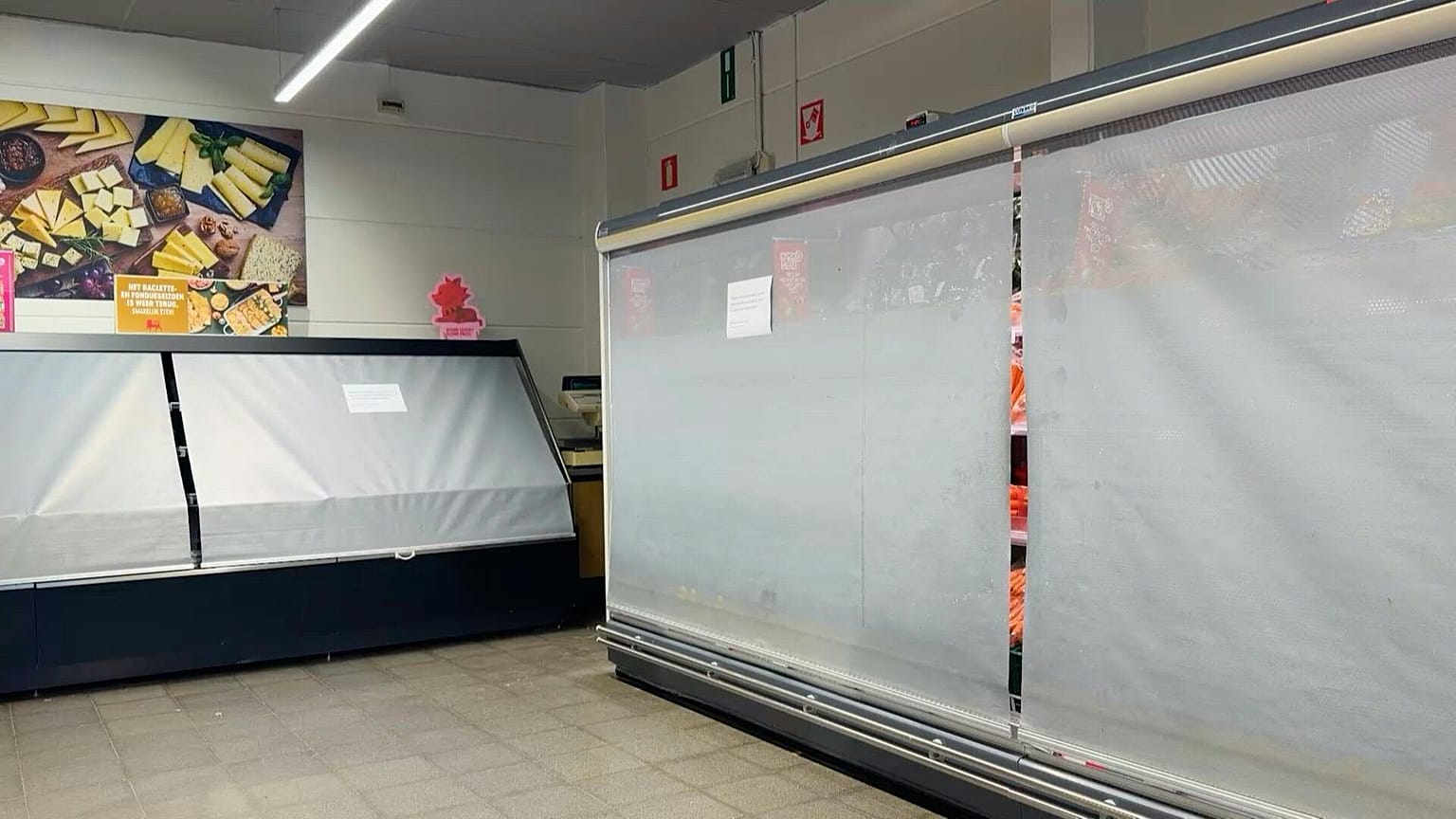
A growing number of supermarkets across Europe have reported sudden temperature increases in refrigeration and freezer systems following suspected cyberattacks. Incidents were reported in Belgium, Estonia, Ireland, Luxembourg and Sweden, prompting retailers and authorities to highlight the vulnerability of operational technology used in food retail.
Sweden’s national cybersecurity centre is responding to multiple incidents, its head, John Billow, told Reuters. He said Sweden has many exposed operational-technology devices that need updating or patching. Retailers ICA and Coop reported overnight freezer temperature spikes, while Axfood said hackers affected freezers at a grocery-delivery distribution centre near Gothenburg. In Ireland, SuperValu said a cyber incident affected a particular refrigeration-system model at 13 stores. Reports also described incidents at Ahold Delhaize stores in Belgium and Luxembourg, and at five Spar shops in Belgium. Estonia’s technology supplier Kitman Coldtech said at least one supermarket chain was affected.
Some systems were reportedly switched into defrost mode or set to 50 degrees Celsius. The incidents follow a major attack on hundreds of French supermarkets that spoiled food and caused fires at several stores. Neither the latest incidents nor the French attack has been claimed by anyone. The article says the events have intensified concerns about hybrid warfare amid Russia’s invasion of Ukraine and the Iran-United States war; European states have blamed Moscow for other infrastructure incidents, while Russia denies involvement in sabotage or hybrid warfare.
European Commissioner for Agriculture and Food Christophe Hansen called the attacks a deliberate effort to disrupt EU food supplies and public confidence. The European Commission warned that cyberattacks can affect businesses and people’s daily lives, and urged stronger cybersecurity. Belgium’s cybersecurity centre described the increasing number of incidents, including those involving targeted AI use, as an evolving trend, while cautioning that those responsible may never be identified.
Entities: John Billow, Christophe Hansen, Jann Mutso, Belgium, Sweden • Tone: analytical • Sentiment: negative • Intent: inform
02-11-2026
Dozens of supermarkets and other food retailers in seven European countries have experienced cyber-attacks affecting refrigeration systems. Around 40 Delhaize stores in Belgium and Luxembourg were affected, along with smaller numbers of businesses in Sweden, Ireland, the Netherlands, Estonia and Finland. The attackers reportedly caused refrigerator evaporators to enter defrost mode, raising temperatures; some freezers reached as high as 50C (122F). The incident appears to use the same method as an attack on French supermarkets in early October, which reportedly led to millions of euros’ worth of food being discarded.
Sabcobel CEO Stephan Moelans said the company worked overnight to disconnect affected units from its network. He said the systems require physical modifications to address the vulnerability, rather than software updates alone. Refrigeration equipment is often internet-connected so it can be maintained and troubleshot remotely. The identity of those responsible is not known. Cyber-security agencies in Belgium and Sweden are monitoring the situation, while the UK’s National Cyber Security Centre is working with international partners and industry. No UK incidents have been reported. US authorities are separately investigating refrigeration malfunctions at military bases and consulting French officials about possible links.
The impact has varied by retailer and location. A Delhaize store in Hoeilaart, Belgium, estimated losses of €100,000 in produce, excluding the potential cost of closing. Carrefour said 15 Belgian stores were affected, while five Spar stores and an Ikea store in Belgium also reported problems. In Sweden, several ICA and Coop shops were hit; seven of Coop’s 800 stores were affected, and some stores had to discard spoiled food. Refrigeration problems were also reported at Finnish K-stores, 13 SuperValu supermarkets in Ireland, at least 17 Dutch businesses, and a Selver supermarket in Estonia. Some retailers said the disruption was limited or contained, and affected stores in some locations have reopened.
Entities: Stephan Moelans, Sabcobel, Delhaize, Belgium, Sweden • Tone: analytical • Sentiment: negative • Intent: inform
02-11-2026
A cyberattack on supermarket refrigeration systems affected grocery stores across Europe on Monday, raising temperatures in fridges and freezers and forcing retailers to discard food. Reported impacts included stores operated by Ahold Delhaize and Colruyt in Belgium and Luxembourg, Swedish grocers ICA and Coop, Ikea, Ireland’s Musgrave, and Carrefour. Some companies reported only a limited number of affected locations, while individual accounts described freezers reaching 50 C and other refrigeration units rising as high as 18 C. The incidents follow a similar attack in France the previous month, which police said affected hundreds of supermarkets and caused food losses and fires. No one has claimed responsibility, and Reuters could not determine whether the latest attacks were connected to the French incident. Belgian cybersecurity officials warned that the perpetrator may never be identified and expressed concern about the potential use of AI to exploit weaknesses. The attacks have intensified European concerns about hybrid threats and the resilience of critical infrastructure, including the food supply chain, amid heightened security tensions since Russia’s invasion of Ukraine. Russia has denied involvement in sabotage or hybrid operations. Some affected refrigeration systems used technology from Danish company Danfoss. The firm said it was working with customers on fixes; after a vulnerability was reported, it had issued a patch and urged customers to install it. It also said some systems hit in France had outdated firmware or were no longer receiving security updates. Experts note that internet-connected building systems create opportunities for attackers and can be difficult to secure or trace. They say retail is an attractive target because stores operate many refrigeration controllers and other connected devices. Recent attacks on food businesses, including JBS in 2021 and United Natural Foods in 2025, are cited as evidence of a broader risk. The European Commission characterized the incidents as deliberate attempts to disrupt food supply and undermine consumer confidence. While motives remain unclear, one researcher said the lack of financial demands in recent cases may point to sabotage rather than extortion.
Entities: Ahold Delhaize, Colruyt Group, ICA, Coop, Ikea • Tone: analytical • Sentiment: negative • Intent: inform
02-11-2026
Grocery chains in Belgium, Luxembourg and Sweden reported unexpected rises in refrigerator and freezer temperatures on Monday, causing food losses and renewing concerns that cyberattacks are targeting connected food-retail infrastructure. Ahold Delhaize and Colruyt said an overnight IT incident affected cooling systems in stores in Belgium and Luxembourg. Swedish chains ICA and Coop also reported problems. Although neither Swedish chain initially confirmed a cyberattack, an ICA store in Sjöbo said on Facebook that its refrigeration units had been hacked. Coop reported six affected stores out of about 800, while ICA described the number of affected outlets as limited.
The reports follow incidents less than three weeks earlier in France, where E. Leclerc, Intermarché and Cooperative U said cyberattacks caused refrigeration temperatures to surge in hundreds of stores, in some cases reaching 122 degrees Fahrenheit. French prosecutors confirmed an attack that affected major chains and caused fires when equipment overheated. The refrigeration control systems targeted in France were made by Danish manufacturer Danfoss.
Ahold Delhaize had reported suspicious activity in its infrastructure to Dutch police in October, according to Reuters. Its spokesperson said the chain noticed rising temperatures on Monday. The CEO of Sabcobel, a Belgian company operating refrigeration systems used by Delhaize and other retailers, blamed a cyberattack, saying units’ evaporators had been switched into defrost mode. Sabcobel technicians worked overnight to disconnect affected units from the network. The CEO said efforts to protect customers’ systems were underway, but many units would need physical modifications and investment.
No one has claimed responsibility for the European grocery-store attacks. EU food and agriculture commissioner Christophe Hansen said the incidents show that food security requires greater attention and that exploiting vulnerabilities in essential, networked systems is a new reality. Cooperative U CEO Dominique Schelcher described the targeting of equipment needed to preserve fresh food and maintain the food supply as extremely serious and unprecedented.
Entities: Ahold Delhaize, Colruyt, ICA, Coop, Sabcobel • Tone: analytical • Sentiment: negative • Intent: inform
02-11-2026
Supermarkets in Belgium, Estonia, Ireland, Luxembourg and Sweden reported disruptions to refrigeration systems on Monday in what authorities and companies suspect was a cyberattack. The incidents resemble an attack in France about three weeks earlier, when unidentified actors allegedly took control of supermarket refrigeration systems and set them to defrost, spoiling fresh and frozen food.
In Sweden, ICA and Coop said a limited number of stores were affected. Coop reported that six of its roughly 800 Swedish shops had refrigerators or freezers that stopped working or were impaired, while stressing that it had not received confirmation of a cyberattack. The Dutch retailer Ahold Delhaize reported an overnight IT incident affecting freezers in several stores in Belgium and Luxembourg. Irish broadcaster RTÉ reported that 13 supermarkets were affected. Carrefour, Intermarché and Spar were also among the chains targeted. Carrefour’s Belgian spokesperson described the incident as a cyberattack, and Belgium’s prosecutor’s office opened a criminal investigation.
The disruptions led to spoiled products being discarded. One ICA Kvantum store in southern Sweden said its refrigeration temperatures had been remotely raised to 50 degrees Celsius. European Commissioner for Agriculture and Food Christophe Hansen called the incidents a deliberate attempt to disrupt Europe’s food supplies, while saying food security was not currently at risk. The European Commission also noted that the attacks affect businesses and people’s daily lives.
Sweden’s National Cybersecurity Center is investigating. Its director, John Billow, said authorities had recently identified many exposed operational technology devices in Sweden that need security updates or patches. Such technology includes refrigeration and heating systems, cameras and alarms—equipment increasingly monitored or controlled remotely. That connectivity can create vulnerabilities that cybercriminals may exploit. No one had claimed responsibility for the reported attacks at the time of publication.
Entities: ICA, Coop, Ahold Delhaize, Carrefour, Intermarché • Tone: analytical • Sentiment: negative • Intent: inform
02-11-2026
A suspected cyberattack targeting supermarket refrigeration systems has affected stores in several European countries, leaving some fridges and freezers at dangerously high temperatures. The reported impact spans Belgium, Sweden, the Netherlands, Estonia, Luxembourg and Ireland. Food may have spoiled, with the value of potentially affected stock estimated at hundreds of thousands of euros, and some stores have closed off their refrigeration units. The incident appears to have occurred overnight between Sunday and Monday. In Belgium, reports say dozens of stores operated by Delhaize, Carrefour and Intermarché were affected, as was an IKEA store near Mons. Belgium’s Centre for Cybersecurity confirmed that it knew of an incident targeting supermarket refrigeration systems, but did not provide further details. The article describes the scope and immediate consequences of the reported disruption, while noting that the cause is suspected to be a cyberattack and that details remain limited. It does not identify those responsible or explain how the refrigeration systems were compromised.
Entities: Belgium, Sweden, The Netherlands, Estonia, Luxembourg • Tone: neutral • Sentiment: negative • Intent: inform
02-11-2026
The report describes a suspected cyberattack affecting supermarket refrigeration systems in several European countries. Grocery stores from Sweden to Portugal were hit on Monday, and the European Union characterized the incident as a “deliberate attempt to disrupt” the bloc’s food supply chain. The article says retailers in at least eight countries were affected: Belgium, Estonia, Finland, Ireland, Luxembourg, the Netherlands, Sweden and Portugal. The attack caused freezer or refrigerator temperatures to rise overnight, leaving food spoiled or at risk of spoiling. As a result, food retailers had to discard affected produce.
The incident follows a cyberattack in France three weeks earlier that caused widespread disruption in grocery stores there. The report presents the latest event in the context of that earlier disruption, but does not identify who carried out the attacks, explain how the refrigeration systems were compromised, or provide details about the scale of financial losses or the quantity of food discarded. The EU’s description of the incident as deliberate conveys concern that the disruption may have been intentional, while the article itself identifies the event as a suspected cyberattack.
France 24 correspondent Dave Keating reports from Brussels. Overall, the report focuses on the potential vulnerability of food retail and supply systems to cyberattacks and the immediate consequences for supermarkets and perishable goods. It provides a brief account of the affected countries, the refrigeration failures, and the connection to the earlier French incident without offering further technical or investigative details.
Entities: European Union (EU), France 24, Dave Keating, Brussels, Sweden • Tone: analytical • Sentiment: negative • Intent: inform
02-11-2026
Supermarkets and grocery stores in Belgium, Luxembourg, Sweden, Finland and Estonia reported sudden temperature increases in refrigerators and freezers early Monday, November 2, 2026. Several retailers and officials described the disruptions as cyberattacks or said network interference was being investigated. The incidents follow a similar attack in France in October, when hackers reportedly took control of cooling units at hundreds of supermarkets, causing temperatures to rise as high as 50°C, food losses and fires.
In Belgium and Luxembourg, Ahold Delhaize and Colruyt reported overnight IT incidents affecting refrigeration systems. Belgian refrigeration company Sabcobel’s CEO said units connected to Delhaize had been switched into defrost mode. Carrefour Belgium said around 15 stores were affected, and Ikea Belgium reported an incident at its Mons store. Colruyt said five shops were affected. The European Union’s agriculture and food commissioner called the incidents a deliberate attempt to disrupt the food supply and undermine public confidence, while noting that food security was not currently at risk. He said the food waste and business impacts were real.
Swedish authorities said they were working on multiple incidents. ICA and Coop reported affected stores, including one ICA shop where refrigeration temperatures allegedly reached 50°C. Sweden’s national cybersecurity centre has warned that many operational technology devices remain exposed and need updates or security patches. In Finland, Kesko detected irregular temperatures in several smaller stores and said it had not ruled out network interference. Finnish cybersecurity officials said the spread beyond France had been anticipated, given the growing exploitation of vulnerabilities. Estonia’s public broadcaster reported a supermarket attack that also raised refrigeration temperatures to 50°C; a local refrigeration industry figure said the equipment resembled older units targeted in France.
Authorities have not identified who was behind the earlier attacks, and no one has claimed responsibility. The article places the incidents in the context of growing remote connectivity in formerly mechanical systems, including refrigeration, heating, cameras and alarms, which can create opportunities for cybercriminals.
Entities: Belgium, Luxembourg, Sweden, Finland, Estonia • Tone: analytical • Sentiment: negative • Intent: inform
02-11-2026
Supermarkets in Sweden, Belgium, Luxembourg and Estonia reported refrigeration and freezer problems on Monday, Nov. 2, 2026, in incidents that authorities and companies said appeared to involve cyberattacks. Some stores had to discard food after temperatures in refrigeration systems were changed, in at least one case to 50 degrees Celsius (122 degrees Fahrenheit). The incidents follow a larger attack in France last month, when attackers remotely took control of refrigeration systems at hundreds of supermarkets and independent stores, causing temperatures to rise.
In Sweden, ICA Group said a limited number of its stores were affected overnight. An ICA Kvantum store in Sjöbo said its fridges and freezers had been hacked and that it was disposing of affected products. Coop reported refrigeration problems at six stores in central Sweden. In Belgium and neighboring Luxembourg, Delhaize said an IT incident affected several dozen stores, mostly in Belgium. The chain said fresh and frozen product availability was temporarily reduced, but its distribution centers and deliveries were operating normally. Carrefour Belgium reported a much smaller impact: 15 of its more than 700 stores were affected, with the company describing the effects as extremely limited.
In Estonia, technology provider Kitman Coldtech said an attacker accessed a computer controlling refrigeration at one client and raised the temperature to 50 degrees Celsius. CEO Jann Mutso said the attack was addressed within minutes and caused no significant damage, but declined to identify the affected store. The Selver chain said one of its outlets was affected. The article notes that the earlier French attacks appeared to target older systems, underscoring the vulnerability of supermarket refrigeration technology.
Entities: Sweden, Belgium, Luxembourg, Estonia, France • Tone: neutral • Sentiment: negative • Intent: inform
02-11-2026
Supermarkets in several European countries reported suspected cyber incidents that disrupted the temperature controls of refrigerators and freezers on Monday, November 2. Incidents were reported in Belgium, Ireland, Sweden, Finland and Estonia, following a more extensive attack in France the previous month. In Belgium, Ahold Delhaize, Carrefour and Spar reported refrigeration problems. Carrefour said 15 of its 700 outlets were affected, while Spar reported problems in about five stores. Ahold Delhaize confirmed an IT incident affecting refrigeration systems in some Delhaize shops overnight, but the article does not establish who was responsible or provide a confirmed cause.
In Ireland, Musgrave Group said refrigeration systems at 13 SuperValu locations had been affected. The stores removed chilled and frozen products from sale as a precaution. In Sweden, several ICA and Coop supermarkets experienced elevated freezer temperatures. One ICA store in Sjöbo reported that its freezer temperature had reached 50C and said it suspected a hack. ICA acknowledged an overnight incident affecting a limited number of stores but did not confirm that it was a cyber attack. Coop confirmed that seven of its stores had been hacked.
In Finland, Kesko reported temperature anomalies in equipment at a few smaller K-food grocery stores. The company began investigating after automated alerts and checks by staff, and said an IT-related incident had not been ruled out. It described the problem as limited in scope, affecting stores whose equipment was outside Kesko’s centralised safeguards. Estonian supermarkets were also reportedly affected.
The incidents have heightened concern following last month’s attack in France, where about 700 stores experienced refrigeration failures and had to discard spoiled food. Intermarché, Coopérative U and Carrefour were among the affected chains; no group publicly claimed responsibility. The article also notes a separate recent issue in the Netherlands, where Ahold Delhaize stores experienced days of service outages and empty shelves, and a US Pentagon investigation into freezer failures at military facilities.
Entities: Ahold Delhaize, Carrefour, Spar, Musgrave Group, SuperValu • Tone: neutral • Sentiment: negative • Intent: inform
02-11-2026
A suspected cyberattack on supermarket refrigeration systems disrupted stores in Belgium, Sweden, Ireland and Estonia, with retailers reporting that hackers remotely changed fridge and freezer temperatures. The resulting spoilage forced stores to discard food and temporarily close some outlets. The article reports that 13 SuperValu stores in Ireland, around 40 Delhaize outlets and 15 Carrefour stores in Belgium, seven Coop stores in Sweden, and several ICA supermarkets were affected. In Belgium, one Delhaize branch reportedly discarded food worth about €100,000 after refrigeration units were set as high as 70°C. The full financial impact has not been calculated, but losses could reach millions of euros. Estonia’s affected Selver store detected the intrusion within minutes and reported no product damage.
European Commissioner for Agriculture and Food Christophe Hansen called the attacks a deliberate attempt to disrupt the EU food supply and undermine consumer confidence. He said food security was not currently at risk, though the waste and business impact were real. Retailers and refrigeration companies said they had taken steps to keep operations running or contain the incidents. Luxembourg’s Delhaize suspended ordering systems as a precaution.
The latest incidents appear to resemble a cyberattack on French Intermarché and Coopérative U supermarkets on October 12, which also targeted refrigeration systems and spoiled food. Sabcobel chief executive Stephan Moelans said the Belgian attacks seemed to use the same mechanism as the French incident. He cautioned that software updates alone would not address the vulnerability and that physical modifications might also be necessary. Securing the internet connection used to manage refrigeration was presented as one practical measure. The identity of those responsible remains unknown, while cybersecurity agencies in Belgium and Sweden are monitoring the situation.
Entities: Christophe Hansen, Prisha Patnaik, Belgium, Sweden, Ireland • Tone: analytical • Sentiment: negative • Intent: inform